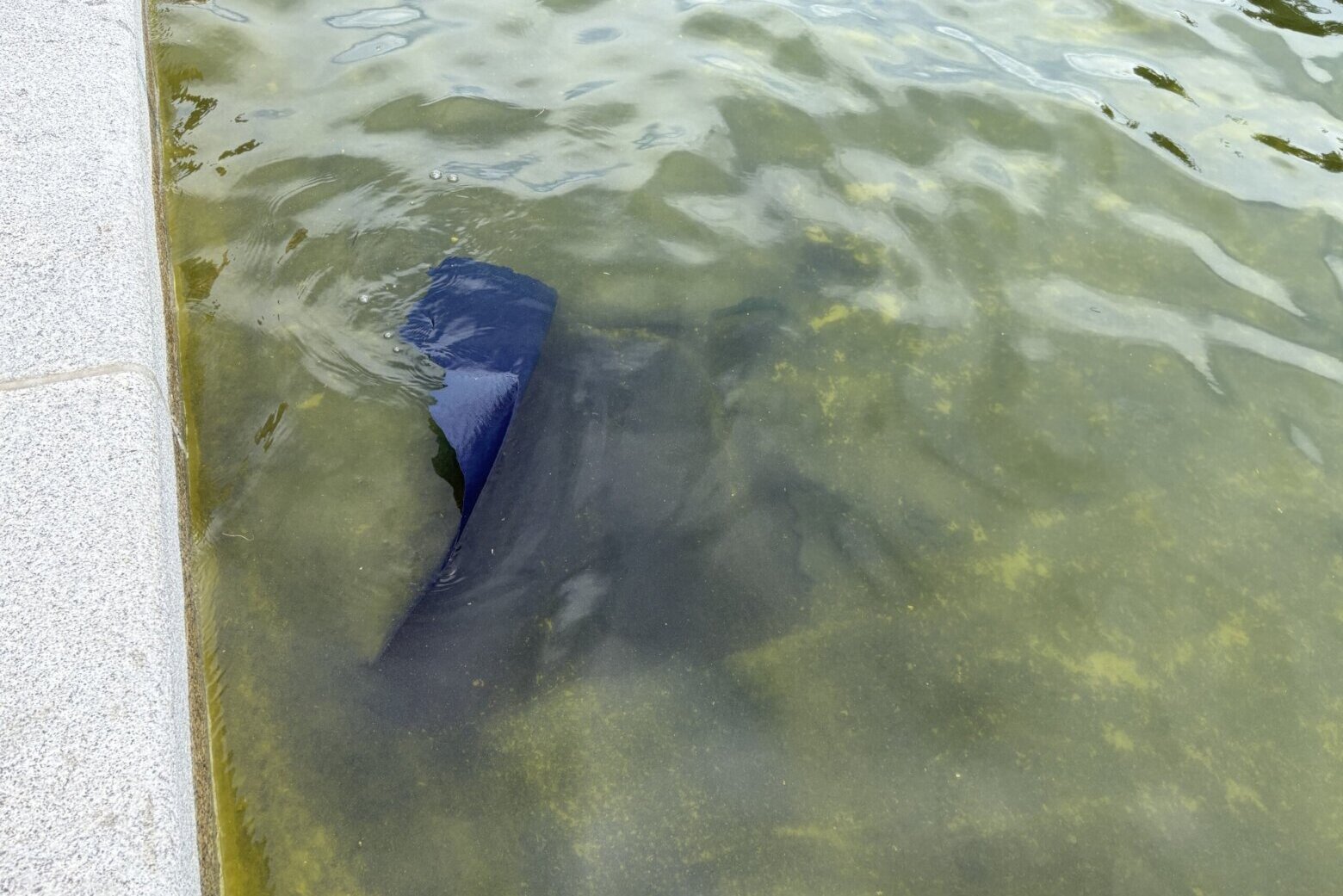
The Lincoln Memorial Reflecting Pool, a centerpiece of the National Mall in Washington, D.C., is currently experiencing significant maintenance challenges following a $14 million renovation project completed in 2012. Recent observations indicate that the blue paint lining the floor of the pool is peeling, a development that has coincided with a recurring and intense algae bloom, according to reports from the National Park Service and local monitoring efforts.
The 2,000-foot-long pool, which underwent a major overhaul to address chronic leaking and structural degradation, remains a highly trafficked site under the jurisdiction of the National Park Service. While the renovation was intended to stabilize the basin and improve water quality, the appearance of floating paint shards and persistent green water has prompted questions regarding the long-term durability of the restorative materials used during the project, as noted in documentation from the National Mall and Memorial Parks.
Understanding the Maintenance Challenges
The peeling paint and algae growth are not isolated incidents but represent ongoing difficulties in managing a massive, open-air aquatic feature. According to official National Park Service data, the Reflecting Pool holds approximately 6.75 million gallons of water. Maintaining such a volume requires a delicate balance of filtration, chemical treatment, and physical cleaning, particularly during the humid summer months in the District of Columbia.

The $14 million renovation, which concluded in 2012, was designed to replace the pool’s crumbling concrete floor and install a new, more efficient circulation system. Despite these improvements, the pool is prone to rapid algae proliferation when high temperatures and sunlight create ideal conditions for biological growth. When the pool’s water chemistry fluctuates, the efficacy of the protective coatings on the floor can be compromised, leading to the delamination or peeling observed by visitors and park staff.
Impact of Environmental and Operational Factors
The appearance of the pool is frequently affected by the surrounding urban environment and the inherent limitations of the existing water management system. Algae blooms in the Reflecting Pool are often exacerbated by nutrient runoff, which can be caused by heavy rainfall or the presence of migratory waterfowl, according to environmental assessments cited by the U.S. Department of the Interior. These nutrients provide the necessary fuel for algae to thrive, often turning the water a deep shade of green despite ongoing treatment efforts.

The structural integrity of the paint is also subject to the physical stresses of the pool’s environment. The expansion and contraction of the concrete basin, combined with the constant movement of millions of gallons of water, can create micro-fractures in the protective lining. Over time, these factors contribute to the peeling observed on the floor of the basin. The National Park Service periodically performs manual cleanings and water quality adjustments to mitigate these issues, though the nature of the facility makes complete eradication of algae and perfect preservation of the floor finish a complex, ongoing task.
Historical Context and Future Maintenance
The current state of the Reflecting Pool highlights the difficulty of preserving historical infrastructure that must also function as a modern, high-traffic public space. Since its original construction, the pool has required repeated interventions to manage leaks and water quality. The 2012 renovation was a significant milestone in this history, intended to provide a more sustainable solution than the previous patchwork repairs that had been utilized for decades, as reported in public records regarding the National Mall rehabilitation.
For visitors, the visual impact of the peeling paint and algae may be noticeable, but the National Park Service continues to monitor the site for safety and aesthetic concerns. The agency frequently provides updates on major maintenance projects through the National Mall and Memorial Parks current conditions page, which serves as the primary resource for information regarding site closures or significant changes to the pool’s status.
As the National Park Service continues its oversight of the area, further assessments of the pool’s floor and water management systems will determine the necessity of future repairs. Residents and tourists interested in the preservation of the National Mall can monitor official government announcements for information regarding upcoming maintenance schedules or planned infrastructure improvements. Readers are encouraged to share their experiences or observations of the park’s condition in the comments section below.
Keep reading