
The United States is currently navigating a period of heightened social and political friction, marked by historic levels of partisan polarization and a documented decline in institutional trust. Data from major polling organizations suggests that these internal divisions are not merely rhetorical but are manifesting in shifts within economic stability, governance efficacy, and the global standing of American democratic institutions.
This trend of domestic volatility has become a focal point for analysts monitoring global market stability and geopolitical influence. As social cohesion fluctuates, the resulting uncertainty impacts investor sentiment and the predictability of US fiscal and monetary policy, which remains the cornerstone of the international financial system.
How is political polarization affecting US institutions?
Recent sociological data indicates that “affective polarization”—where political identity is tied to personal animosity toward opposing groups—has reached significant levels in the United States. According to research published by the Pew Research Center, the gap between Republican and Democratic voters regarding fundamental values and perceptions of one another has widened significantly over the last two decades.
This polarization directly influences the functioning of core government branches. In the legislative arena, the ability of Congress to pass bipartisan budgets or address long-term fiscal challenges has faced increasing hurdles. Observers note that the shift toward party-line voting has slowed the legislative process, often resulting in reliance on executive orders or judicial rulings to resolve policy disputes.
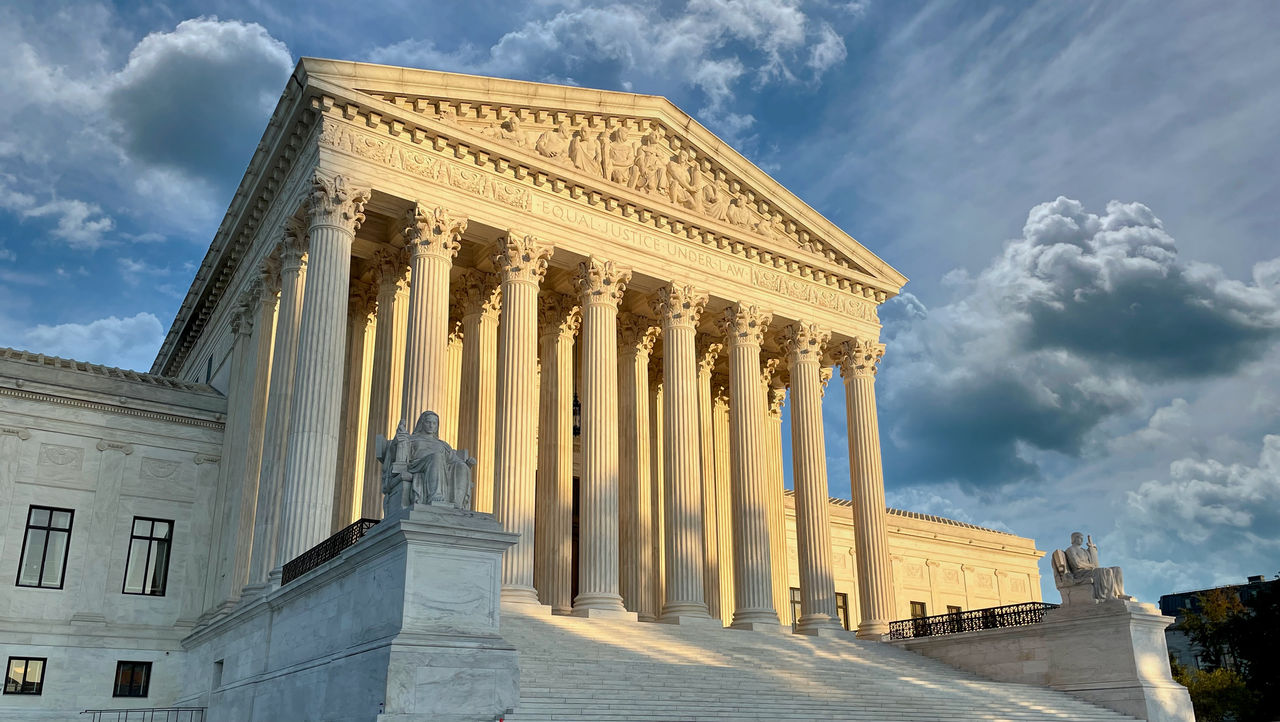
The judiciary has also become a central site of political tension. Public confidence in the Supreme Court of the United States has seen measurable fluctuations. While the Court’s authority is constitutionally protected, Gallup polling has historically tracked shifts in how Americans perceive the impartiality of the court, with significant swings occurring following controversial rulings on social and regulatory issues.
Trust in the electoral process remains another critical metric. While election officials and the Cybersecurity and Infrastructure Security Agency (CISA) have consistently affirmed the security of recent election cycles, public sentiment regarding the integrity of voting systems remains divided along partisan lines. This discrepancy between institutional findings and public perception creates a cycle of instability that complicates governance.
What do economic indicators reveal about social stability?
Economists often link social stability to the distribution of wealth and the accessibility of the middle class. In the United States, the widening wealth gap serves as a primary driver of social discontent. Data from the Federal Reserve shows that wealth concentration among the top percentiles has increased significantly since the late 20th century, a trend that correlates with rising populism on both sides of the political spectrum.

Key economic indicators contributing to this tension include:
- Real Wage Growth: While nominal wages have risen, the purchasing power of middle-income households has faced pressure from inflation in essential sectors like housing and healthcare.
- The Gini Coefficient: This measure of statistical dispersion represents the income inequality within a nation; the US coefficient remains higher than many other advanced economies in the OECD.
- Housing Affordability: According to reports from the U.S. Census Bureau, the gap between median household income and median home prices has expanded, limiting wealth-building opportunities for younger demographics.
The economic consequences of this inequality extend beyond individual household budgets. High levels of inequality can lead to decreased social mobility, which reduces the overall efficiency of the labor market. When large segments of the population feel excluded from economic growth, the resulting social friction can manifest as political volatility, further complicating the business environment.
Why does American domestic volatility matter for global markets?
Because the US Dollar serves as the world’s primary reserve currency, domestic instability in the United States has immediate international repercussions. Market volatility often spikes during periods of political uncertainty, such as election cycles or protracted budget standoffs in Washington. Investors typically seek “safe-haven” assets during these times, which can lead to rapid shifts in capital flows.
The predictability of US fiscal policy is a cornerstone of global trade. When the US government faces debt ceiling negotiations or potential government shutdowns, it introduces risk into the global financial system. Credit rating agencies, such as Moody’s, monitor these legislative stalemates closely, as they can impact the sovereign credit rating of the United States.
Furthermore, the US’s ability to maintain consistent trade policies and international alliances is tied to its internal stability. A highly polarized domestic environment can lead to abrupt shifts in foreign policy, affecting international trade agreements and the stability of global supply chains. For multinational corporations, this creates a “risk premium” associated with doing business in or with the United States.
How does current social discourse compare to historical norms?
To understand the current state of the US, analysts often compare modern social indicators to the post-World War II era, a period often cited for its high levels of social cohesion and institutional trust. During the mid-20th century, despite significant social upheavals, there were broader consensus-based frameworks for economic and social policy.
A comparison of social and economic metrics illustrates the shift:
| Metric | Post-WWII Era (Approx. 1950-1960) | Modern Era (2020-Present) |
|---|---|---|
| Wealth Distribution | Broadly distributed middle class | High wealth concentration at top percentiles |
| Institutional Trust | High levels of trust in government/media | Historically low levels of public trust |
| Political Consensus | High degree of bipartisan policy agreement | High levels of affective polarization |
| Social Mobility | Relatively high upward mobility | Stagnating mobility in many sectors |
This historical context suggests that the current “cringe” or discomfort felt by many observers is not merely a reaction to specific events, but a response to a structural departure from previous American norms. The transition from a consensus-driven society to one defined by identity-based political competition represents a fundamental shift in the American social contract.
Key Takeaways: The State of US Stability
- Institutional Erosion: Trust in the judiciary, legislature, and electoral processes has seen a measurable decline according to Gallup and Pew Research.
- Economic Drivers: Wealth inequality and housing affordability remain central drivers of domestic social friction.
- Global Risk: US political volatility directly impacts the US Dollar’s stability and global market predictability.
- Structural Shift: Current social tensions reflect a departure from the post-war era of institutional consensus.
The next major checkpoint for assessing these trends will be the upcoming federal election cycle and the subsequent economic reports from the Bureau of Labor Statistics, which will provide updated data on inflation and wage growth. These events will likely serve as indicators of whether the current trajectory of polarization and institutional tension is stabilizing or continuing to expand.
We invite our readers to share their perspectives on these economic and social trends in the comments below. For more in-depth analysis of global markets and economic policy, please subscribe to the World Today Journal newsletter.
Keep reading