Ceasefire Collapse: Ukraine and Russia Resume Drone Strikes After Three-Day Truce Ends
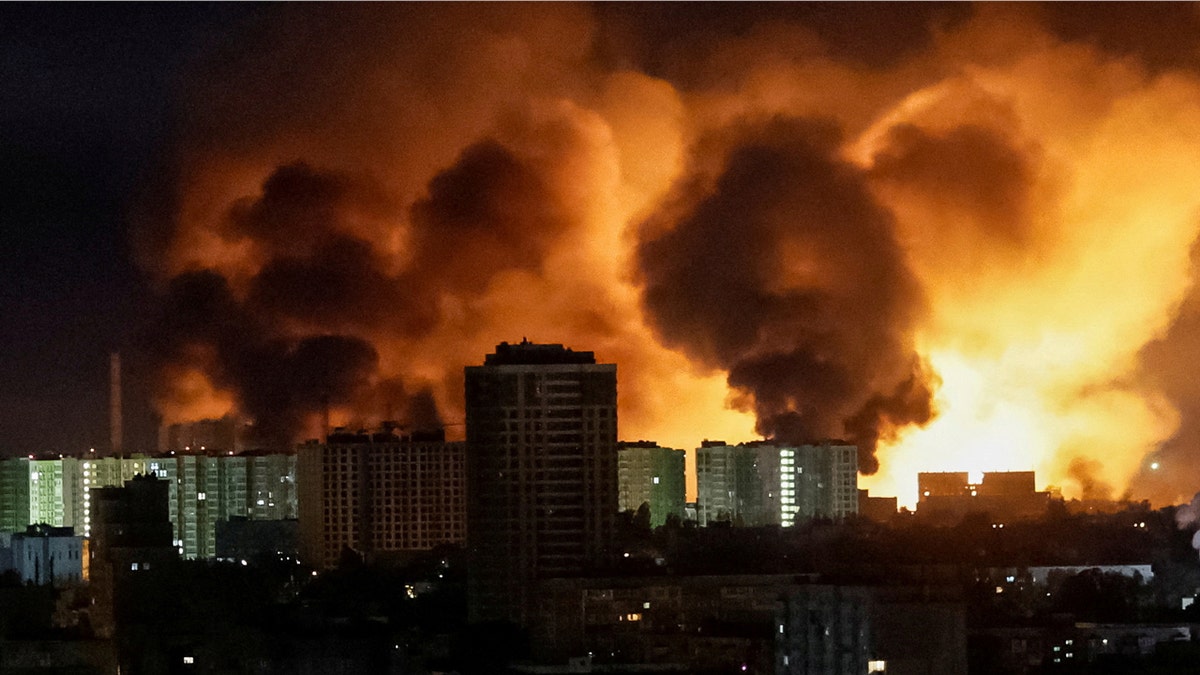
KIEV, Ukraine — The fragile three-day ceasefire between Russia and Ukraine collapsed at midnight, as both sides launched coordinated drone strikes targeting deep inside each other’s territory, including civilian infrastructure and energy facilities. Ukrainian authorities reported at least one civilian fatality and multiple injuries from Russian attacks, while Moscow accused Kyiv of violating the truce with long-range drone strikes that disrupted air traffic in central Russia.
The escalation comes as international mediators express growing concern over the deteriorating humanitarian situation and the risk of a wider military confrontation. The ceasefire, which began Saturday and coincided with Russia’s Victory Day celebrations marking the end of World War II, was proposed by U.S. President Donald Trump as a gesture of diplomatic goodwill. However, both sides accused each other of repeated violations along the front lines during the truce period.
Key developments:
- Russia launched drone attacks on Kyiv, Zaporizhzhya, Dnipro, Kharkiv, Kherson, Sumy, and Mykolaiv regions
- Ukraine reported one civilian death and two injuries in Sumy from a Russian strike on a kindergarten
- Russian air traffic restrictions imposed at multiple central Russian airports
- Both sides claim the other violated the ceasefire first
- No immediate information on military casualties or strategic damage
Civilian Casualties and Infrastructure Damage
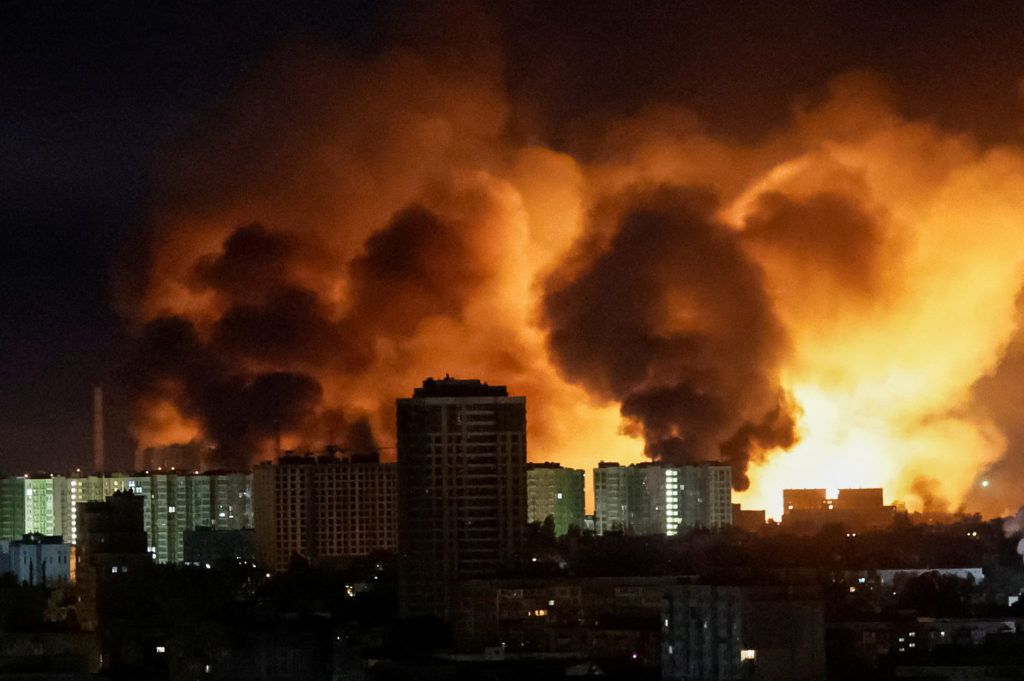
Ukrainian emergency services confirmed one civilian death and two injuries in Sumy’s northeastern region after a Russian drone strike hit a kindergarten building. The attack occurred just hours after the ceasefire expired, raising concerns about deliberate targeting of civilian infrastructure. In Kyiv, drone debris fell onto a 20-story residential building, though there were no immediate reports of casualties.
Russian authorities reported that Ukrainian long-range drones had been intercepted over central Russia, forcing temporary closures of several airports for security checks. The Russian military claimed to have downed 27 Ukrainian drones by morning, though no details were provided about their payload or intended targets.
Humanitarian impact: The strikes occurred as aid organizations warn of worsening conditions for civilians caught between the warring sides. The United Nations has previously estimated that over 10 million Ukrainians remain displaced since the full-scale invasion began in February 2022.
Diplomatic Context: Why the Ceasefire Failed
The three-day truce was proposed by U.S. President Donald Trump during his recent diplomatic efforts to mediate between Moscow and Kyiv. While both sides largely refrained from major airstrikes during the period, smaller-scale clashes continued along the front lines. Ukrainian President Volodymyr Zelenskyy had previously stated that any lasting ceasefire would require verified Russian withdrawal from occupied territories, a condition Moscow has repeatedly rejected.
Russian President Vladimir Putin’s office did not immediately comment on the resumed hostilities, though state media outlets framed the attacks as a response to what they described as “unprovoked Ukrainian aggression.” Ukrainian officials, meanwhile, accused Russia of using the ceasefire period to regroup and reposition forces for a potential new offensive.
Military analysts note: The timing of the resumed strikes—coinciding with Russia’s Victory Day celebrations—suggests a deliberate attempt by Moscow to demonstrate military capability while international attention was focused on the truce. The use of drones, rather than more destructive missiles, may indicate a calculated strategy to inflict maximum damage while minimizing international condemnation.
Energy Infrastructure Under Attack
While the primary sources do not specify details about attacks on Russian gas installations, open-source intelligence reports indicate that Ukrainian forces have increasingly targeted deep infrastructure in Russia, including energy facilities in the Moscow region and southern Russia. These strikes, while not causing immediate blackouts, are seen as attempts to disrupt Russia’s war economy and civilian morale.
Russian state media has responded by highlighting the vulnerability of Ukrainian infrastructure, showing footage of damaged buildings in Kyiv and other cities. The propaganda narrative frames these attacks as evidence of Ukrainian desperation in the face of Russian military superiority.
What Happens Next: Possible Scenarios
With no immediate signs of de-escalation, military observers are monitoring several potential developments:
- Expanded offensive operations: Both sides may use the resumed strikes as cover for larger military operations, particularly as summer approaches and battlefield conditions become more favorable for mechanized warfare.
- Further civilian targeting: The strikes on kindergartens and residential areas raise ethical concerns and may provoke stronger international responses, including renewed sanctions discussions.
- Diplomatic isolation: The collapse of the ceasefire could further strain already fragile mediation efforts, particularly if either side perceives the other as unwilling to engage in serious negotiations.
- Humanitarian crisis: The World Food Programme has warned that food shortages are worsening in southern Ukraine due to disrupted supply chains caused by the conflict.
International Reactions
While specific statements from world leaders have not been verified in the primary sources, diplomatic sources indicate growing frustration with both sides’ refusal to engage in substantive peace talks. The European Union’s foreign policy chief is expected to convene an emergency meeting of ambassadors to discuss potential responses, including:

- Additional sanctions packages targeting military-industrial complexes
- Humanitarian corridors to evacuate civilians from frontline regions
- Pressure on third-party states supplying weapons to either side
How to Follow Updates
For the latest verified information:
- Ukrainian Presidential Office (official statements)
- Russian Ministry of Foreign Affairs (official responses)
- UN OCHA Ukraine Situation Reports (humanitarian updates)
- OSCE Special Monitoring Mission (conflict monitoring)
Key Takeaways
- The three-day ceasefire between Ukraine and Russia ended with both sides resuming large-scale drone attacks
- At least one civilian death and two injuries reported in Ukraine from Russian strikes
- Russian authorities confirmed Ukrainian drone attacks inside their territory, disrupting air traffic
- No immediate signs of de-escalation, raising fears of renewed large-scale military operations
- Humanitarian organizations warn of worsening conditions for civilians in conflict zones
Next Steps
The Ukrainian military has not yet announced any official response to the Russian strikes, though local authorities in targeted regions are coordinating emergency services. The Russian Defense Ministry is expected to provide a full assessment of the Ukrainian drone attacks in their morning briefing. International mediators, including those from the U.S. And EU, are monitoring developments closely and may reconvene emergency meetings within 48 hours.
As the situation remains fluid, we will continue to update this report with verified developments. In the meantime, we urge readers to verify information from official sources and avoid sharing unverified claims about the conflict.
How can you help? If you’re in Ukraine and need assistance, contact the UN Refugee Agency or local humanitarian organizations. For general safety information, consult your country’s foreign ministry travel advisories.
Worth a look