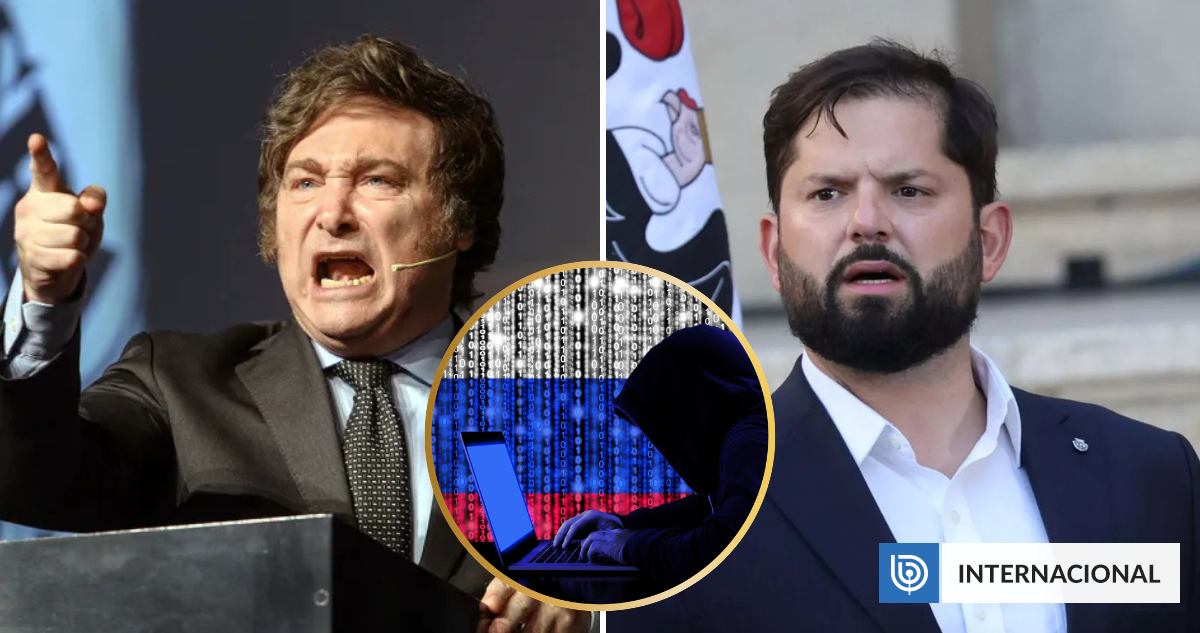
The Argentine government is grappling with the fallout of a sophisticated foreign influence operation designed to destabilize the administration of President Javier Milei. Recent revelations from an international consortium of journalists have uncovered a presunta campaña de espionaje y desinformación de origen extranjero—a suspected campaign of espionage and disinformation of foreign origin—that allegedly leveraged local media outlets to spread fabricated content aimed at undermining the current government.
The operation, which sources link to Russian financing, reportedly sought to manipulate public debate by blending professional-looking information with deceptive narratives. According to reports, the judicial system is currently analyzing payments totaling $283,000 intended for the publication of more than 250 articles in local media outlets to destabilize Milei’s management La Voz.
In a swift and controversial response, the Casa Rosada denied access to journalists from the media organizations involved in the alleged Russian campaign on Monday, April 6, 2026 TN. The administration is now evaluating the initiation of criminal complaints and intends to summon the executives of the affected media companies to account for their role in the dissemination of this content.
The escalation has sparked a tense standoff between the executive branch and the press, raising critical questions about the boundary between national security and the freedom of the press in Argentina.
ADEPA Warns Against Generalizations and Press Interference
The Asociación de Entidades Periodísticas Argentinas (ADEPA), the primary representative body for the country’s press entities, has expressed deep concern over the revelations. In a formal communication titled “Sobre las revelaciones de una presunta operación de espionaje y desinformación,” the organization acknowledged that if the claims of Russian espionage are confirmed, it would constitute an “unacceptable maneuver of external interference” and a calculated attempt to manipulate public discourse under the guise of professional journalism La Nación.
Although, ADEPA has cautioned the government against using these revelations to launch broader attacks on the media. The entity warned that illegitimate campaigns of this nature distort the essence of journalistic work and can erode public trust in news organizations. ADEPA specifically urged the administration to “avoid generalizations” that could lead to generic questioning of the professional exercise of journalism TN.
The association emphasized that the role of the press in a democratic society is predicated on the search for information, the verification of facts, and editorial responsibility. By penalizing entire media houses or restricting access based on these allegations, ADEPA suggests the government may be risking the very democratic pillars it seeks to protect.
The Mechanics of the Disinformation Network
The alleged operation was not a simple series of fake news posts but a structured effort to infiltrate the local media ecosystem. The strategy involved the use of funds to place articles that appeared legitimate but were designed to discredit the Argentine government. The scale of the operation—involving hundreds of articles and significant financial backing—indicates a level of coordination typical of state-sponsored influence operations.
The primary objective appears to have been the erosion of trust in President Milei’s leadership and the creation of internal political friction. By utilizing local media, the foreign actors were able to bypass the skepticism usually reserved for foreign propaganda, instead presenting the narratives as domestic critiques or investigative findings.
Impact on Press Freedom and Government Response
The government’s reaction has been characterized by a “hardline” approach. Beyond the denial of credentials for specific journalists, the administration has seen aggressive messaging from President Javier Milei directed toward press workers La Nación. This tension is compounded by the government’s desire to move the matter into the judicial sphere through potential criminal charges against media executives.
For the global community, this event serves as a case study in how “hybrid warfare”—the blending of cyber operations, financial incentives, and disinformation—can be deployed to target specific political leaders in the Western Hemisphere. The use of local intermediaries to amplify foreign narratives makes the task of debunking such campaigns significantly more difficult for fact-checkers and the public alike.
Key Takeaways of the Russian Influence Operation
- Financial Scale: Justice officials are analyzing the movement of $283,000 used to fund the placement of over 250 articles in local Argentine media La Voz.
- Strategic Goal: The operation aimed to discredit the government of Javier Milei and manipulate the national public debate through a “facade” of professional information.
- Government Action: The Casa Rosada has revoked press credentials for journalists linked to the affected media outlets and is considering criminal prosecution for company directors TN.
- Press Reaction: ADEPA has condemned the foreign interference but warned the government that general attacks on the press could damage public trust in journalism.
The next critical checkpoint in this developing story will be the official summons of the media executives by the government and the subsequent findings of the judicial analysis regarding the $283,000 in payments. These developments will determine whether the case remains a political dispute or evolves into a formal criminal proceeding regarding foreign espionage.
World Today Journal encourages readers to share this report and join the conversation in the comments section regarding the balance between national security and press freedom.
Worth a look