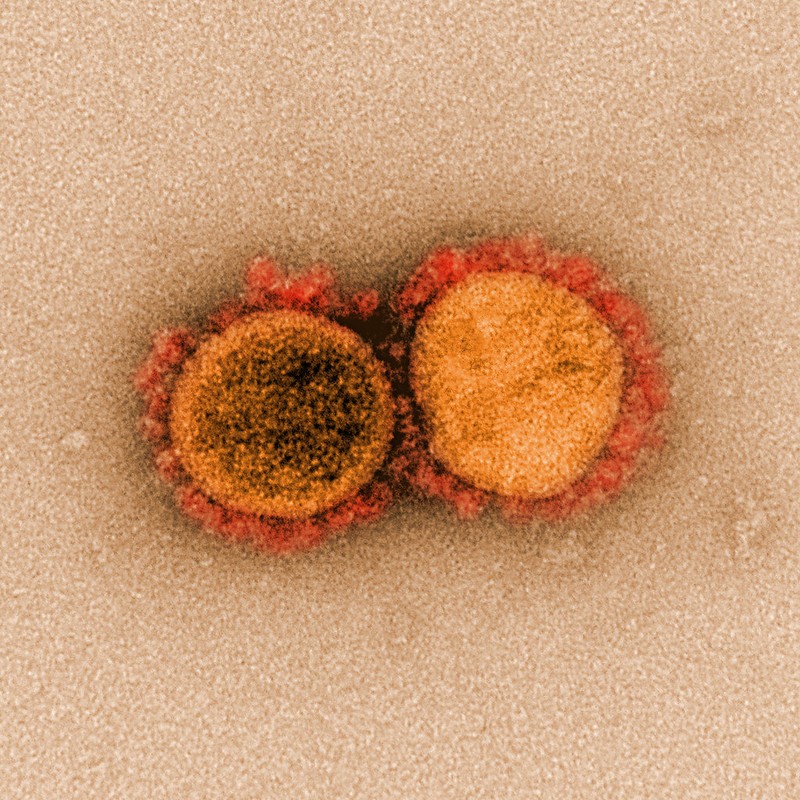
Researchers have successfully reconstructed the evolutionary trajectory of the SARS-CoV-2 virus in a laboratory setting to better understand how the pathogen adapts to human hosts. By utilizing experimental evolution techniques, scientists aim to map the genetic mutations that allowed the virus to transition from its ancestral forms to the variants that fueled the global pandemic, according to findings published in Nature. This research provides a detailed look at the viral fitness landscape and the selective pressures that drive the emergence of new, more transmissible strains.
The study, led by teams investigating the mechanisms of viral adaptation, employed a method known as “directed evolution” to accelerate the virus’s life cycle in a controlled, biosafety-level environment. By observing how the virus accumulates mutations over successive generations, the investigators identified specific genetic changes that enhance the binding affinity of the spike protein to the human ACE2 receptor. This process offers critical data for public health officials tasked with monitoring the ongoing evolution of respiratory viruses, as noted by the World Health Organization regarding the necessity of genomic surveillance.
Understanding Viral Adaptation Through Laboratory Models
Laboratory-based evolution experiments allow scientists to observe natural selection in real-time. By subjecting SARS-CoV-2 to various environmental pressures, such as reduced levels of neutralizing antibodies or altered receptor densities, researchers can identify which mutations provide a survival advantage. According to a report by the Centers for Disease Control and Prevention (CDC), tracking these adaptations is essential for predicting how future variants might behave and for updating vaccine formulations.

The researchers utilized a “reverse genetics” system, which enables the creation of synthetic viruses with specific genetic profiles. This method ensures that the observed evolutionary changes are directly linked to the mutations introduced or selected during the experiment. By comparing these laboratory-generated variants with real-world sequences collected from global databases like GISAID, the team confirmed that the pathways taken in the lab closely mirror the patterns observed in human populations during the pandemic’s peak, as verified by research published in Science.
Why Recreating Viral Evolution Matters for Public Health
The primary goal of this research is to move from reactive to proactive pandemic preparedness. By identifying the “mutational hot spots” within the virus’s genome, scientists can anticipate which parts of the spike protein are likely to change next. This predictive capacity allows for the development of “broad-spectrum” vaccines and therapeutics that target more stable, conserved regions of the virus, reducing the likelihood that new variants will evade immune responses, according to the National Institutes of Health.

Furthermore, these models help clarify the role of epistasis—where the effect of one mutation depends on the presence of others. The study found that certain mutations only became advantageous after the virus had already acquired a specific “background” of genetic changes. This complexity explains why the virus does not evolve in a linear fashion, but rather through a series of “leaps” facilitated by key combinations of mutations, as detailed in recent analyses by the Nature Reviews Microbiology.
Safety and Ethical Considerations in Viral Research
Conducting experiments that involve the evolution of pathogens requires stringent oversight. All research involving the manipulation of SARS-CoV-2 is subject to rigorous institutional and national biosafety regulations, including the Federal Select Agent Program in the United States and similar frameworks across the European Union. These protocols mandate the use of high-containment laboratories, such as Biosafety Level 3 (BSL-3) facilities, to prevent accidental exposure or release.
Ethical guidelines for “gain-of-function” or “enhanced potential pandemic pathogen” (ePPP) research dictate that the potential benefits to public health must significantly outweigh the inherent risks. Researchers must demonstrate that the knowledge gained is unattainable through other means and that the laboratory environment is sufficiently secure to contain the biological material. The WHO’s guidance on the responsible use of life sciences research provides the international standard for these activities, emphasizing transparency and risk management.
What Happens Next?
The next phase of this research involves applying these evolutionary models to other emerging viruses with pandemic potential, such as novel influenza strains or other betacoronaviruses. By building a comprehensive map of how these viruses adapt to human biology, the global scientific community hopes to create a “library” of potential future mutations. This repository will serve as a foundation for designing next-generation diagnostic tests and antiviral drugs that remain effective even as viruses continue to evolve.

Future updates from international health agencies regarding the surveillance of new viral variants are expected as genomic sequencing technologies become more accessible globally. Readers interested in the latest developments in viral genomics are encouraged to monitor updates from the World Health Organization’s situation reports and official institutional press releases. Please share your thoughts in the comments or join our newsletter for ongoing coverage of medical innovation.
Keep reading