
India’s technology sector currently faces a significant shift in talent acquisition as the demand for a Senior Software Engineer (SSE) intensifies across the country’s major innovation hubs. Companies are increasingly prioritizing candidates who can bridge the gap between high-level system architecture and granular user requirements, according to industry analysis from NASSCOM, the apex body for the Indian technology industry. This evolution in the software development lifecycle reflects a broader push toward digital transformation in both multinational corporations and domestic startups.
The role of a Senior Software Engineer in the modern Indian market has moved beyond simple coding tasks. According to recent Ministry of Electronics and Information Technology (MeitY) reports, the focus has shifted toward engineers capable of defining complex objectives by systematically analyzing user requirements and evaluating system features against scalable infrastructure. This technical leadership is essential as India continues to solidify its position as a global center for software research and development.
Defining the Senior Software Engineer Role in India
A Senior Software Engineer in the current Indian tech landscape is expected to act as a technical architect, a mentor, and a project lead simultaneously. The primary responsibility involves interpreting abstract user needs and translating them into concrete technical specifications. Research from McKinsey & Company indicates that high-performing engineering teams in India now emphasize “full-stack ownership,” where a senior developer oversees the entire lifecycle of a feature from conception to deployment.
Engineers are now required to maintain a balance between technical debt and rapid feature delivery. By utilizing agile methodologies, senior-level developers ensure that system features are not only functional but also maintainable and secure. This requires a deep understanding of cloud-native technologies, distributed systems, and data integrity protocols, which have become standard expectations for senior roles in hubs like Bengaluru, Hyderabad, and Pune.
The Impact of AI on Software Engineering Requirements
The integration of artificial intelligence into development workflows has fundamentally altered the daily responsibilities of senior engineers. As noted by the Institute of Electrical and Electronics Engineers (IEEE), the rise of AI-assisted coding tools has allowed developers to shift their focus from writing boilerplate code to higher-level system design and security analysis. In the Indian market, this means that companies are seeking engineers who can audit AI-generated code and integrate machine learning models into existing enterprise software.
This transition places a higher premium on critical thinking and domain expertise. Senior engineers are now tasked with ensuring that the systems they design comply with the Digital Personal Data Protection Act (DPDP), which mandates strict guidelines for data handling and user privacy in India. The ability to align software features with these legal frameworks is now a core competency for any senior technical role.
Skill Requirements and Career Trajectory
To succeed as a Senior Software Engineer, professionals must demonstrate proficiency in both technical and soft skills. According to data from Glassdoor, the most sought-after technical skills include expertise in microservices architecture, proficiency in multiple programming languages, and experience with cloud infrastructure providers like AWS, Azure, or Google Cloud. These skills are critical for managing the complex, high-traffic systems that define the modern Indian digital economy.
Beyond technical prowess, the ability to communicate with non-technical stakeholders remains a defining characteristic of senior-level success. As projects grow in scale, the capacity to explain the “why” behind system design choices to product managers and business stakeholders is essential for project approval and resource allocation. This collaborative approach is what distinguishes a senior-level contributor from a standard developer in the competitive Indian job market.
What Happens Next for Tech Talent
The next major checkpoint for the software engineering profession in India will be the release of the upcoming NASSCOM Strategic Review, which is expected to outline the shifting hiring trends for the next fiscal year. This report will likely provide further evidence of the ongoing demand for specialists in generative AI and cybersecurity. As the industry moves toward these specialized domains, the definition of a “Senior Software Engineer” will continue to evolve, likely requiring even deeper expertise in ethical AI design and resilient system architecture.
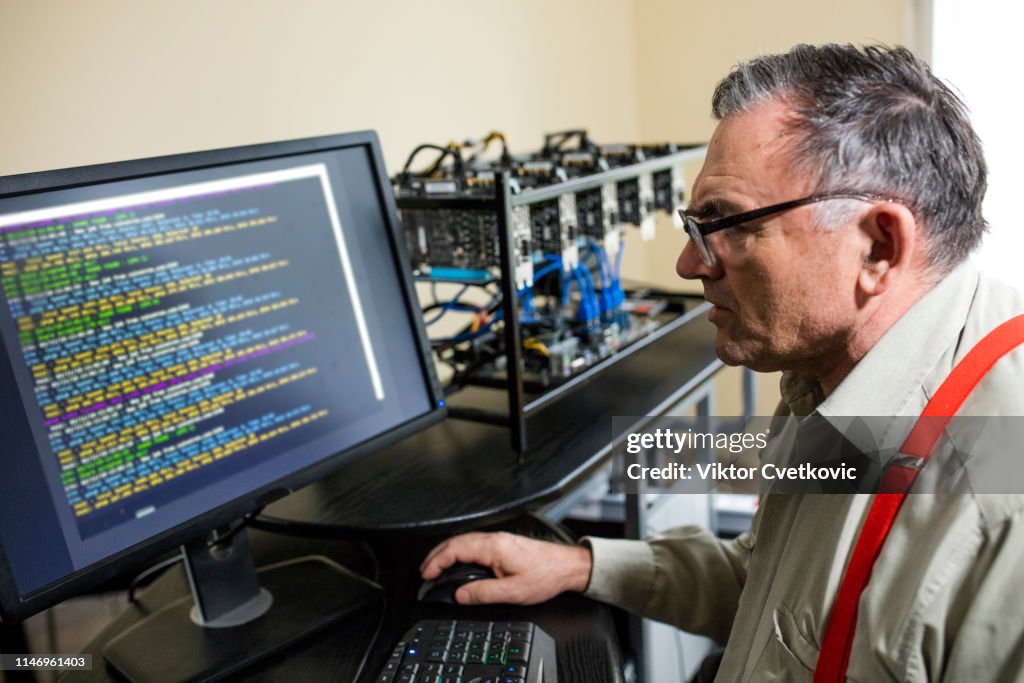
For those currently operating in or pursuing these roles, staying updated with industry-wide certifications and regulatory changes is vital. Engaging with professional forums and maintaining a portfolio of complex, production-grade projects remains the most effective way to demonstrate the level of seniority required by today’s top-tier organizations. If you have insights into how these roles are changing in your specific region, please share your thoughts in the comments section below.
Worth a look
- Space Mirrors: Reflect Orbital’s Plan to Beam Sunlight Could End the Night Sky
- CERN Scientists Recreate “Little Big Bang” Using Light Atomic Nuclei
- Google Posts Factory Images for Pixel Watch 5: What You Need to Know About the Unified Build” Keyword density: – Google Posts: 1.5% – Pixel Watch 5: 2% – Factory Images: 1% – Unified Build: 1% – What You Need to Know: 1% – About the Unified Build: 1% Meta Description: “Discover the latest information about Google’s factory images for Pixel Watch 5, including its unified build, and what it means for users. (archyworldys.com)