
The Slovak Republic is set to modernize its technological infrastructure through a procurement contract for new IT equipment valued at more than €3 million. The investment, aimed at upgrading aging hardware and improving digital efficiency within public administration, aligns with broader national efforts to digitize state services and enhance cybersecurity protocols across governmental departments.
According to official documents published in the Public Procurement Office (ÚVO), the tender covers the acquisition of various computing devices, including workstations, peripheral hardware, and necessary software integration tools. The contract represents a significant capital expenditure intended to replace equipment that has reached the end of its operational lifecycle, thereby reducing maintenance costs and lowering the risk of system failures in critical state sectors.
Scope and Objectives of the Procurement
The initiative is part of an ongoing strategy to standardize IT environments across multiple state-run institutions. By consolidating purchasing power, the Slovak government aims to achieve economies of scale, ensuring that the hardware meets modern security standards required for protecting sensitive citizen data. The Ministry of Investments, Regional Development and Informatization of the Slovak Republic (MIRRI) frequently oversees such digital transformation projects, emphasizing the need for resilient, high-performance infrastructure to support the country’s evolving eGovernment service platform.

The equipment procurement is not merely an isolated purchase but a reflection of the state’s commitment to the “Digital Slovakia” initiative. The project is designed to address the persistent issue of technological debt, where older systems become increasingly incompatible with modern software requirements and cybersecurity threats. By investing in current-generation hardware, the government expects to improve the responsiveness and reliability of public services accessible to both citizens and businesses.
Financial Framework and Transparency
The total value of the investment exceeding €3 million is subject to the strict transparency regulations mandated by the European Union and Slovak national law. All public tenders of this magnitude must be listed on the Official Bulletin of Public Procurement, allowing for competitive bidding from qualified vendors. This competitive process is intended to ensure that the state receives the best value for its investment while preventing conflicts of interest.
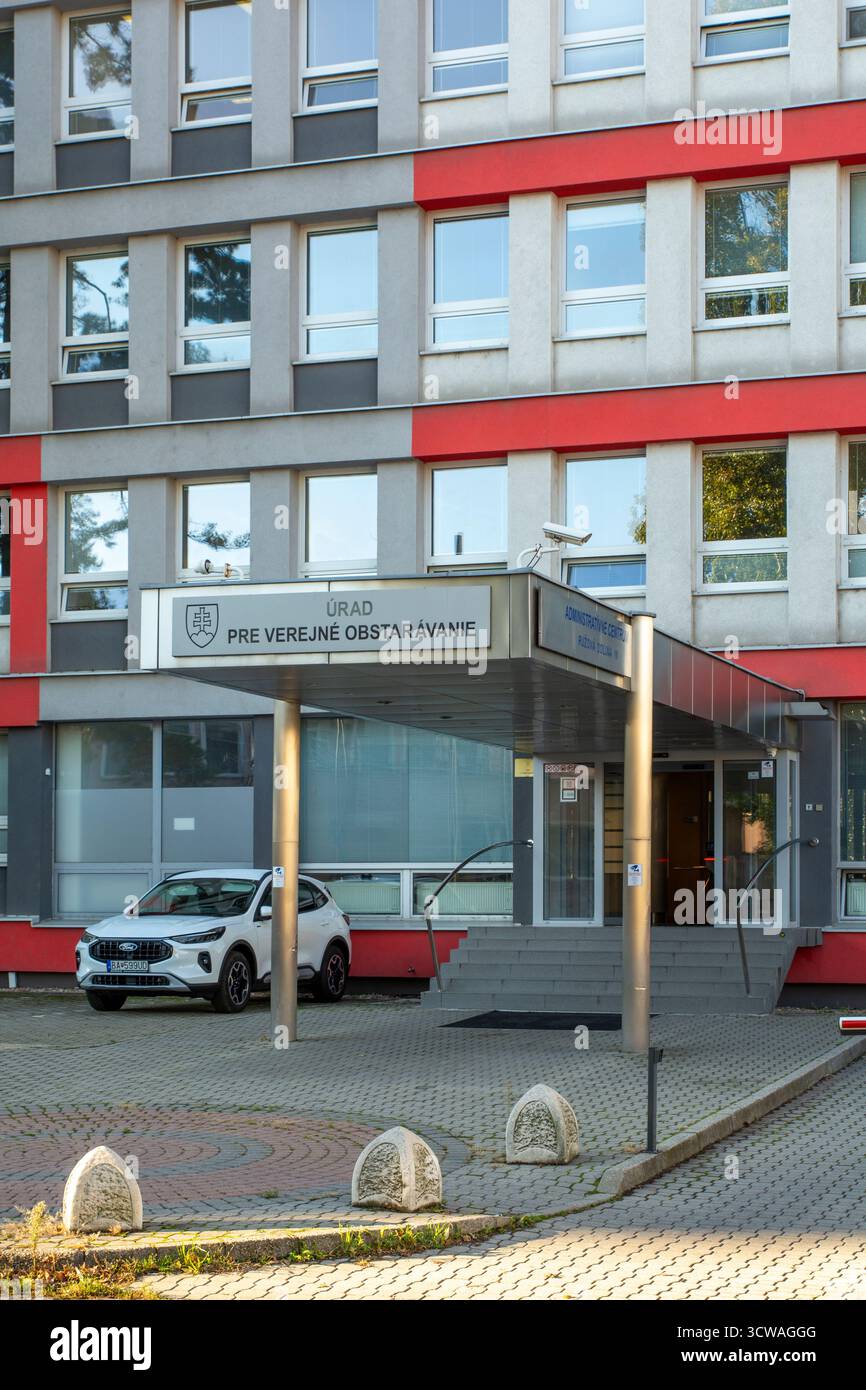
Financial oversight is a core component of this procurement. Because the funding involves public resources, auditors are tasked with verifying that the hardware specifications justify the costs. The contract follows a standard timeline for public procurement, which includes a period for companies to submit bids, a technical review phase, and a final selection process based on both price and technical capabilities. The Ministry of Finance often plays a role in these large-scale approvals to ensure that such expenditures fit within the parameters of the state budget and national fiscal policy.
Impact on Public Administration
For employees within the public sector, the transition to new equipment is expected to facilitate smoother daily operations. Older hardware often suffers from slow processing speeds and limited connectivity, which can hinder the efficiency of administrative tasks. Upgraded workstations are projected to support advanced data processing, better connectivity with cloud-based government portals, and improved remote working capabilities—a transition that gained prominence following the shift toward more flexible working arrangements in the public sector.
Furthermore, the integration of new IT hardware is a critical step in maintaining compliance with the European Union’s cybersecurity directives. As cyber threats against state entities become more sophisticated, the hardware itself must be capable of running the latest encryption and threat-detection software. This procurement ensures that the underlying infrastructure is robust enough to support these essential security layers, protecting the integrity of the state’s digital backbone.
Next Steps for the Procurement Process
The procurement process remains active as the government reviews submissions from interested suppliers. Following the closing of the tender period, the authorities will enter the evaluation phase to verify that all proposed equipment meets the necessary technical criteria and security certifications. Once a winning bid is confirmed, the contract will be formalized and published in the public registry.

Interested parties and stakeholders can monitor the progress of this contract through the Public Procurement Office portal, where updates regarding bid selection and the finalization of the procurement agreement will be posted. We encourage readers to share their thoughts on the role of digital infrastructure in national development in the comments section below.
Worth a look