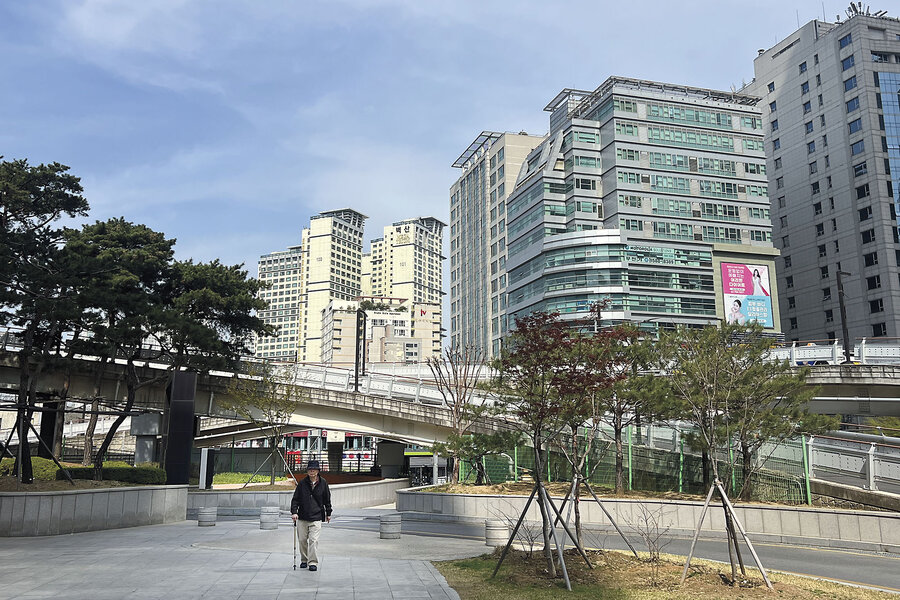
The stability of the South Korean housing market has ascended to the forefront of national policy, increasingly framed by government officials as an existential challenge for the future of the country. As property prices in Seoul continue to exert significant pressure on household finances, the intersection of urban real estate costs, demographic shifts, and economic security remains a critical focal point for policymakers in Seoul.
For many residents, the dream of homeownership in the capital has become increasingly elusive, a trend that carries profound implications for the nation’s social contract. The discourse surrounding housing affordability is not merely a matter of real estate economics; This proves deeply intertwined with South Korea’s broader challenges, including record-low birth rates and the concentration of economic opportunity within the Seoul Metropolitan Area.
The Structural Roots of the Seoul Housing Crisis
The escalation of property values in Seoul is frequently attributed to a confluence of factors, including limited land availability, high population density, and sustained demand from both domestic buyers and investors. According to data from the Organization for Economic Cooperation and Development (OECD), South Korea’s housing market has faced significant volatility, with price-to-income ratios in major urban centers reaching levels that challenge the financial feasibility of home acquisition for younger generations.
This demographic, often referred to as the “MZ generation” (a combination of Millennials and Gen Z), faces a unique set of obstacles. The reliance on the “jeonse” system—a uniquely Korean long-term deposit rental model—has historically provided a bridge to ownership. However, fluctuations in the financial markets and rising interest rates have complicated this pathway, leaving many households vulnerable to market shifts.
Policy Responses and Institutional Oversight
Government intervention has been a consistent feature of the South Korean housing landscape. The Ministry of Land, Infrastructure and Transport has implemented various measures aimed at cooling speculative demand and increasing the supply of public housing. These include adjustments to mortgage lending regulations, taxation on multi-home owners, and the expansion of new town developments designed to decentralize the population density currently tethered to Seoul.
The Bank of Korea remains a central actor in this narrative. By monitoring household debt levels—which are among the highest in the developed world—the central bank balances the need to curb inflationary pressures with the desire to avoid a disorderly correction in the property market that could jeopardize systemic financial stability.
The Demographic Dimension
Perhaps the most pressing aspect of the housing debate is its correlation with South Korea’s demographic crisis. With the country recording the world’s lowest fertility rates, experts frequently point to the high cost of living, with housing as the primary expenditure, as a significant deterrent for young couples considering marriage and parenthood. The Statistics Korea report on population trends highlights that the inability to secure stable, affordable housing is consistently cited in sociological surveys as a major barrier to family formation.
This creates a feedback loop: a shrinking youth population reduces the future tax base, while the high cost of urban living prevents that same generation from achieving the milestones traditionally associated with adulthood. The government’s efforts to stabilize housing are increasingly viewed through the lens of long-term national survival rather than simple market management.
Looking Ahead: Challenges for Sustainable Urbanization
As South Korea navigates these structural headwinds, the path toward a balanced housing market remains complex. The reliance on centralized economic hubs continues to draw talent and capital to Seoul, further inflating prices in the capital relative to the provinces. Regional development initiatives, such as the relocation of government agencies and the promotion of “innovation cities,” serve as long-term strategies to alleviate this pressure, though their efficacy in shifting population trends remains a subject of ongoing debate among economists.

For the average citizen, the immediate future involves navigating a landscape of fluctuating interest rates and evolving regulatory frameworks. The government has signaled that housing stability will remain a priority in upcoming legislative sessions, with a focus on both supply-side expansion and protections for renters. Stakeholders are currently awaiting the next policy briefing from the Ministry of Land, Infrastructure and Transport, which is expected to outline specific targets for public housing construction for the next fiscal year.
The discourse on this issue is ongoing, and as the government continues to refine its approach to the property sector, public engagement and transparency will be essential. We invite our readers to share their perspectives on the intersection of urban policy and national resilience in the comments section below.
Related reading