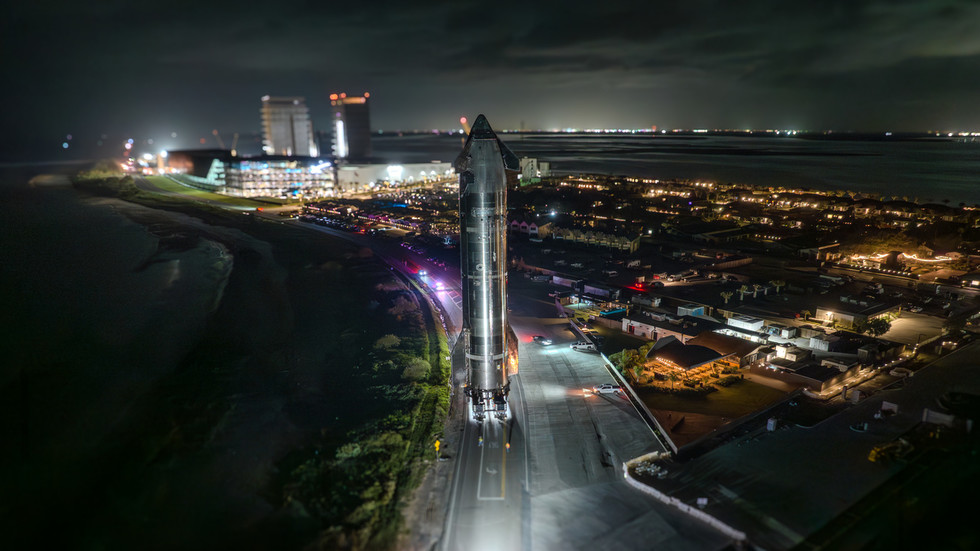
SpaceX Rocket Debris Raises Safety Concerns Following In-Flight Warnings
Recent events surrounding a SpaceX launch have sparked debate and raised questions about airspace safety. Reports indicate several aircraft were warned about potential hazards during and after the launch, prompting holding patterns and controller interventions.Let’s break down what happened and what it means for air travel.
What Occurred During the launch?
A SpaceX rocket launch resulted in a important amount of debris falling back to Earth. This debris field triggered warnings to nearby aircraft,including a jetblue flight headed to Puerto Rico. Controllers instructed the flight to enter a holding pattern, advising them to proceed “at your own risk” if they continued on their original course.
Moreover, FAA reports suggest two aircraft came dangerously close to each other, necessitating intervention from air traffic control to avert a potential collision. The situation prompted controllers to describe the scenario as a “potential extreme safety risk.”
Aircraft Affected and Response
Three aircraft - a JetBlue passenger plane, an Iberia flight, and a private jet – ultimately traversed the temporarily restricted airspace after declaring fuel emergencies. Fortunately, all three flights, carrying approximately 450 passengers, landed safely.
You might be wondering how this could happen. The FAA had established a pre-coordinated response area with the US Space Force to manage potential debris. However, the events highlight the complexities of balancing space exploration with the safety of commercial air travel.
spacex’s Response and Concerns
SpaceX has responded to reports, characterizing them as “misleading.” The company asserts that reports were “clearly spoon-fed incomplete and misleading data from detractors with ulterior motives.” They maintain that public safety remains their top priority.
SpaceX insists that no aircraft were actually put at risk and that all debris was contained within the pre-defined response areas. However, the accounts from air traffic controllers and the warnings issued to pilots paint a different picture.
What Does This Mean for You?
This incident underscores the increasing need for robust safety protocols as space launches become more frequent. It’s crucial to ensure that the FAA and space companies like SpaceX work together to minimize risks to commercial aviation.
Here’s what you should know:
* Airspace Management: The FAA is responsible for managing airspace and ensuring the safety of all aircraft.
* Coordination is Key: Effective interaction and coordination between the FAA, space companies, and air traffic controllers are vital.
* Safety Protocols: Continuous evaluation and advancement of safety protocols are necesary to address evolving risks.
This event is likely to fuel further discussion about the regulation of space launches and the potential for future incidents. As space exploration continues to expand, prioritizing safety and transparency will be paramount.
It’s vital to remember that air travel remains incredibly safe, and thes types of incidents are rare. However, ongoing vigilance and proactive measures are essential to maintain that safety record.