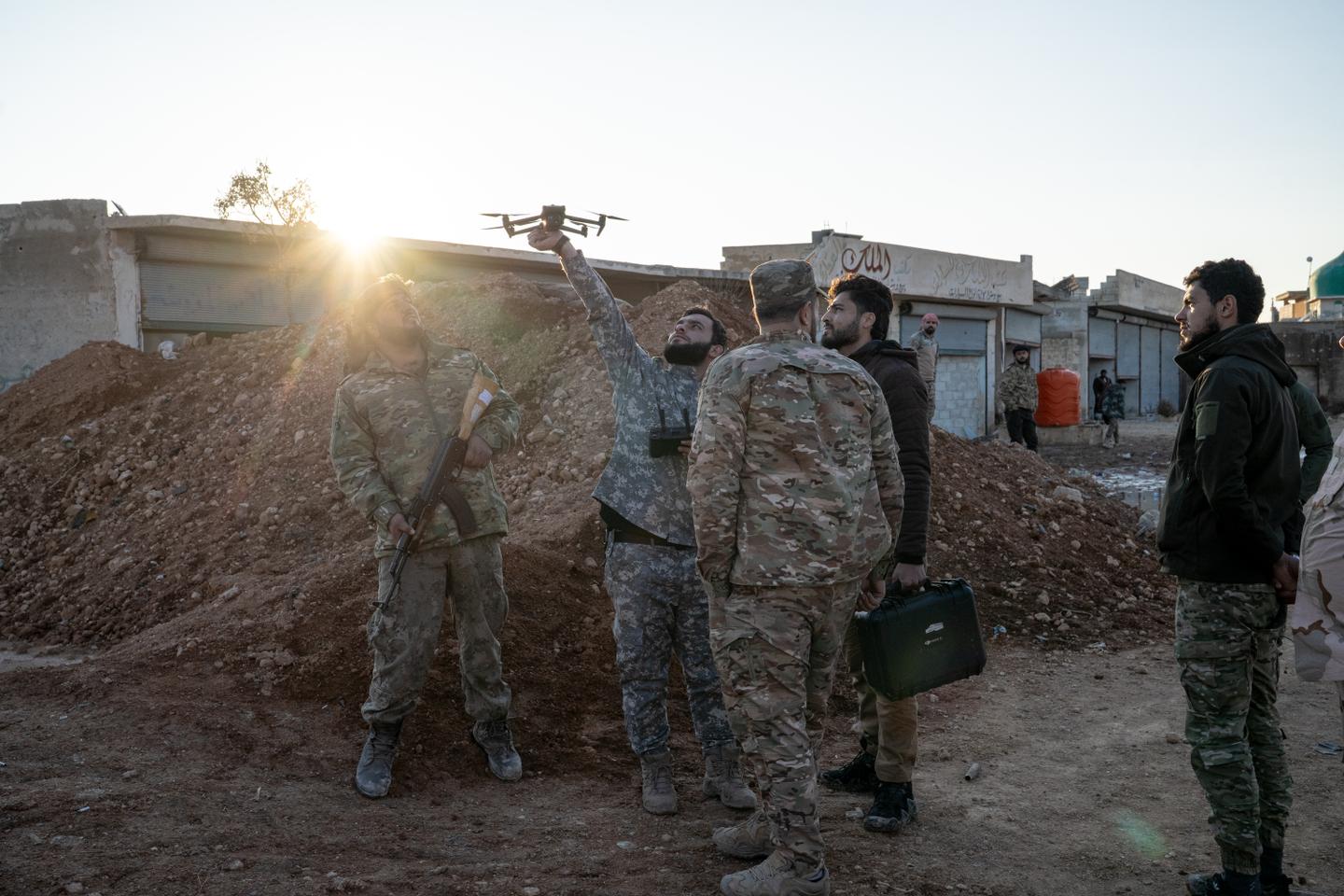

The prospect of war between Damascus and the Syrian Kurdish forces appears to be receding. The Syrian transitional government and the Syrian Democratic Forces (SDF), dominated by Kurdish groups, announced on Friday, January 30th, a extensive agreement for the gradual integration of military forces and the administration of the Kurdish autonomous zone into the Syrian state.This represents a victory for Damascus, which restores its authority over territories administered by the SDF and effectively ends the dream of Kurdish autonomy in Rojava. however, the Kurds have secured important gains in terms of local autonomy and national rights.
on X,Elham ahmed,a senior leader of the Kurdish autonomous administration,expressed her “deep gratitude to the mediators,” notably “the United States and France,who have made considerable efforts” to reach this agreement. The United States welcomed the agreement as a “historic step” towards the unification of Syria.France, thru president Emmanuel Macron, “congratulated” both parties and affirmed its “full support” for the implementation of the agreement. “We hope [this agreement] will serve as a framework for the reconstruction of a unified Syria, safeguarding the rights of the Kurdish people and all other groups in the future Constitution,” stated Nechirvan Barzani, President of the Kurdistan Regional Government in Iraq, who also played a crucial mediating role.
Key Provisions of the Agreement
While details are still emerging, the agreement reportedly includes provisions for:
- Integration of SDF Fighters: A phased integration of SDF fighters into the Syrian Arab Army (SAA), with guarantees for their rights and status.
- Local Administration: The establishment of locally elected councils within the SDF-controlled areas,operating under the authority of the central government in Damascus. These councils will have significant control over local affairs, including education, healthcare, and infrastructure.
- Cultural and Linguistic Rights: Recognition of Kurdish language and cultural rights within the Syrian constitution, ensuring the preservation of Kurdish identity.
- Power-Sharing: A commitment to power-sharing arrangements at the national level, ensuring Kurdish portrayal in government institutions.
- joint Security Mechanisms: the creation of joint security mechanisms to maintain stability and prevent the resurgence of extremist groups in the region.
International Reactions and Implications
The agreement has garnered mixed reactions internationally. While the United States and France have expressed support, Turkey, which views the SDF as an extension of the Kurdistan Workers’ Party (PKK) – a designated terrorist institution – has voiced concerns.Turkey has repeatedly threatened military intervention in northern syria to create a “safe zone” along its border, and the agreement could potentially delay or alter those plans.
Russia, a key ally of the Syrian government, has welcomed the agreement as a positive step towards resolving the Syrian conflict. The agreement aligns with Russia’s long-standing goal of restoring Syrian sovereignty and territorial integrity.
Challenges Ahead
Despite the optimism surrounding the agreement, significant challenges remain. Implementing the agreement will require careful negotiation and compromise from all parties involved. Key challenges include:
- Trust-Building: Overcoming years of mistrust and animosity between the Syrian government and the SDF.
- Security Concerns: Addressing the security concerns of all parties, including Turkey, and preventing the resurgence of ISIS and other extremist groups.
- Political Representation: Ensuring fair and equitable political representation for all Syrian groups in the future government.
- Economic Reconstruction: Rebuilding the war-torn infrastructure and economy of Syria.
Looking Ahead
The agreement between the Syrian government and the SDF represents a significant turning point in the Syrian conflict. While the path to a lasting peace remains uncertain, this agreement offers a glimmer of hope for a unified and stable syria. The success of the agreement will depend on the commitment of all parties to implement its provisions in good faith and address the challenges that lie ahead. Continued international support and mediation will also be crucial to ensure a peaceful and inclusive resolution to the conflict.
Worth a look