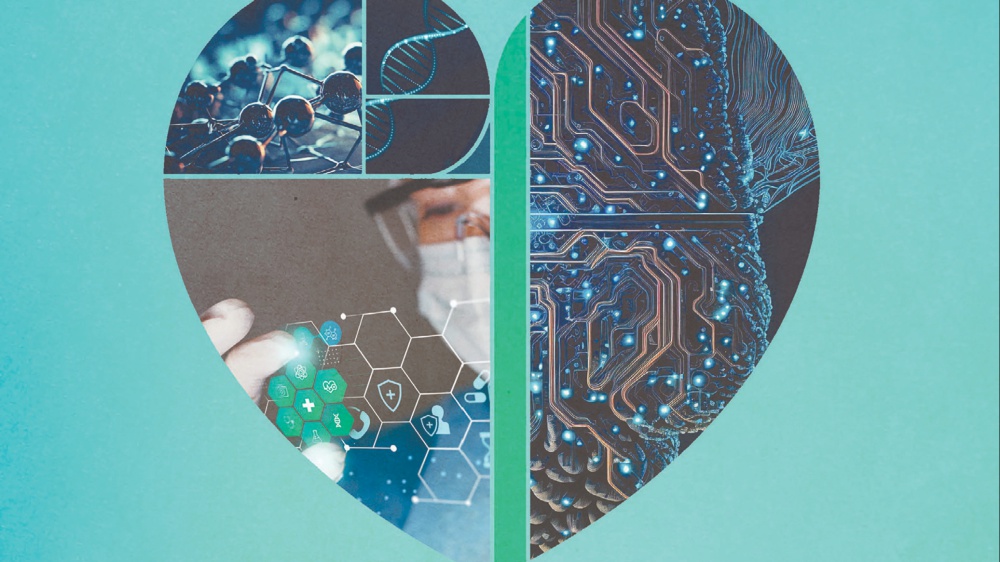
In his latest publication, La cura e l’algoritmo, Professor Alessio D’Amato examines the intersection of digital innovation and the delivery of healthcare services. The book explores how rapid technological advancements, including artificial intelligence and data management, offer transformative potential for clinical outcomes while simultaneously raising critical ethical and practical questions regarding the human element in medicine.
As a physician, I have observed that the integration of digital tools into daily practice is no longer a future prospect but an immediate reality. Throughout his work, D’Amato emphasizes that while algorithms can process vast amounts of diagnostic data with unprecedented speed, the core of medical practice remains the relationship between the clinician and the patient. This tension between technological efficiency and the necessity of human empathy serves as the central theme of his analysis.
The Role of Digital Innovation in Modern Healthcare
The primary premise of La cura e l’algoritmo is that technological progress should be viewed as a support system rather than a replacement for professional clinical judgment. According to industry analysis, digital health tools—ranging from remote monitoring devices to predictive analytics—are increasingly adopted to manage chronic conditions and optimize hospital workflows. The European Commission has highlighted that the digital transformation of health services is a pillar of the European Health Data Space (EHDS), which aims to facilitate the secure exchange of health information across borders to improve patient care and research.
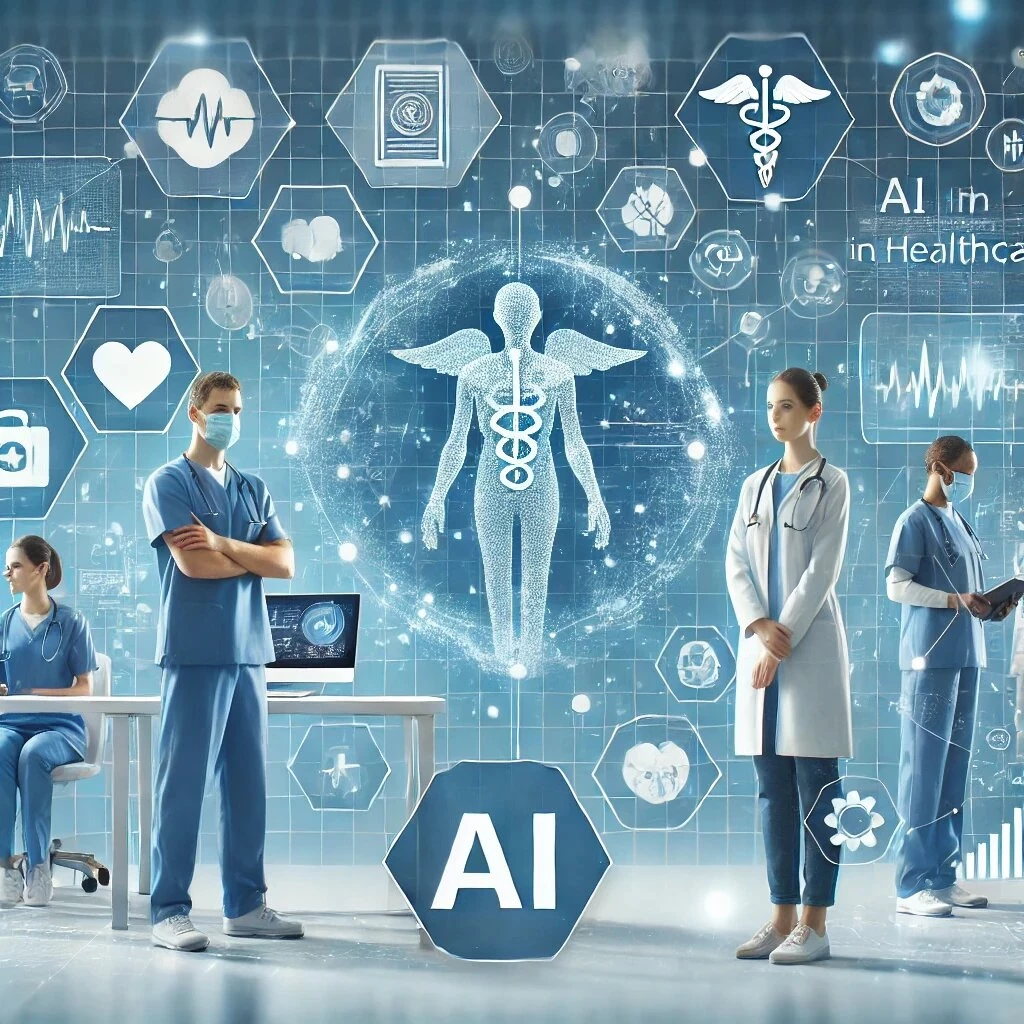
However, D’Amato notes that the implementation of these technologies requires a rigorous ethical framework. The risk of over-reliance on automated systems includes the potential loss of nuances that only a human physician can detect during a physical examination or a detailed patient history. For healthcare providers, the challenge lies in utilizing high-tech solutions to augment, rather than constrain, the diagnostic process.
Balancing Data and Human Empathy
A significant portion of the book focuses on the “human factor.” D’Amato argues that the algorithm is limited by the quality and scope of the data fed into it. In contrast, the physician brings context, patient history, and socio-economic considerations into the treatment plan. This perspective aligns with findings from the World Health Organization (WHO), which has issued guidance on the ethics and governance of artificial intelligence for health, stressing that human-centered design must be prioritized to ensure that technology serves the needs of diverse populations without exacerbating existing health inequities.
The integration of these systems requires healthcare professionals to update their skill sets. Medical education, including programs at institutions like Charité – Universitätsmedizin Berlin, is increasingly incorporating digital literacy alongside traditional clinical training to prepare the next generation of doctors for this hybrid environment.
Future Perspectives on Medical Governance
Looking ahead, the successful adoption of these technologies will depend on policy decisions and infrastructure development. The European Union’s AI Act, which provides a regulatory framework for artificial intelligence, classifies many medical AI applications as high-risk, necessitating strict oversight and transparency requirements. These regulations are intended to protect patient privacy while fostering innovation in medical device software.
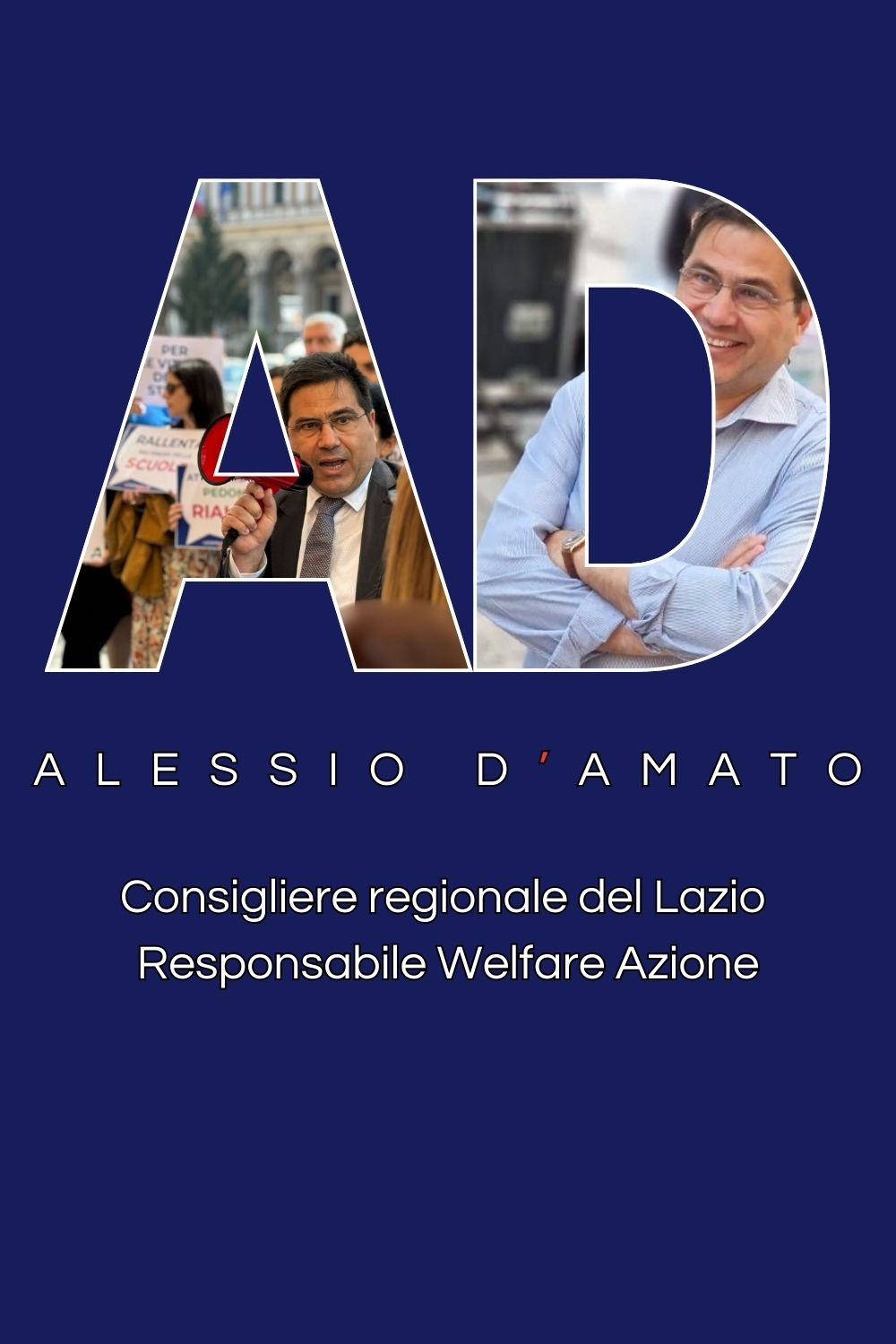
Professor D’Amato’s work serves as a reminder that the “cure” in medicine is a complex process. While the “algorithm” provides the precision necessary for modern diagnostics, the “care” remains a uniquely human endeavor. Stakeholders, including policymakers, hospital administrators, and clinicians, are encouraged to engage with these discussions to ensure that the evolution of healthcare remains focused on patient safety and the preservation of the doctor-patient bond.
For those interested in the evolving landscape of medical technology, updates on health policy and digital healthcare regulations are frequently published by the European Medicines Agency (EMA). We invite our readers to share their thoughts on how digital integration has impacted their own experiences with healthcare services in the comments section below.
Worth a look