
Most health experts recommend washing bed sheets once a week to minimize the accumulation of dead skin cells, sweat, bodily oils, and microscopic allergens. While individual habits vary, maintaining a consistent cleaning schedule is a primary recommendation from organizations like the Asthma and Allergy Foundation of America to reduce exposure to dust mites and other common indoor triggers.
As a physician, I frequently see patients who underestimate the impact of their sleep environment on their overall health. Your bed is a micro-ecosystem that collects biological debris every night. If you fail to wash your bedding regularly, you are essentially sleeping in a buildup of organic matter that can exacerbate skin conditions and respiratory sensitivities.
Why Weekly Washing Matters for Skin and Respiratory Health
The human body sheds approximately 500 million skin cells every day, many of which are released while we sleep. When these cells accumulate in fabric, they provide a primary food source for dust mites. According to the Asthma and Allergy Foundation of America, these microscopic creatures are a leading cause of year-round allergy and asthma symptoms. By laundering sheets in hot water—ideally at temperatures that reach at least 130°F (54°C)—you can effectively kill dust mites and remove the proteins that trigger allergic reactions.
Beyond allergens, your sheets absorb significant amounts of sweat and body oil. In a warm, humid environment, this moisture creates an ideal breeding ground for bacteria and fungi. Individuals with sensitive skin or conditions like eczema may notice flare-ups if they do not wash their linens frequently enough. Regular cleaning removes these irritants, helping to keep the skin barrier intact and preventing potential breakouts or infections caused by trapped bacteria.
Factors That Increase Laundry Frequency
While a weekly cadence is the gold standard for most households, certain lifestyles or health conditions may necessitate more frequent washing. If you suffer from seasonal allergies, share your bed with a pet, or tend to sweat excessively at night, you may need to adjust your routine.

Pet dander is a significant contributor to indoor air quality issues. If your pets sleep in your bed, the accumulation of dander, fur, and outdoor debris happens much faster than in pet-free environments. Similarly, if you do not shower before going to bed, you are transferring oils, perfumes, and environmental pollutants directly onto your sheets, which further accelerates the need for laundering.
Best Practices for Maintaining Bedding
To ensure your bedding remains hygienic, follow the care instructions provided by the manufacturer. Most cotton and synthetic blends can withstand regular washing cycles. However, the temperature of the water is the most critical factor for sanitation. The Centers for Disease Control and Prevention emphasizes the importance of using the warmest water setting recommended on the fabric label to ensure the effective removal of germs.
Drying is equally important. High heat in the dryer helps sanitize fabrics further. If you use a clothesline, ensure the sheets are completely dry before placing them back on the mattress; residual moisture can lead to mold and mildew growth. If you notice a musty odor or visible staining, it is a clear indicator that the cleaning interval has been too long and should be shortened immediately.
What Happens If You Delay Washing?
Prolonged intervals between washing cycles allow for the buildup of “bio-load”—a mixture of sweat, sebum, and skin cells. This buildup can lead to several observable consequences:
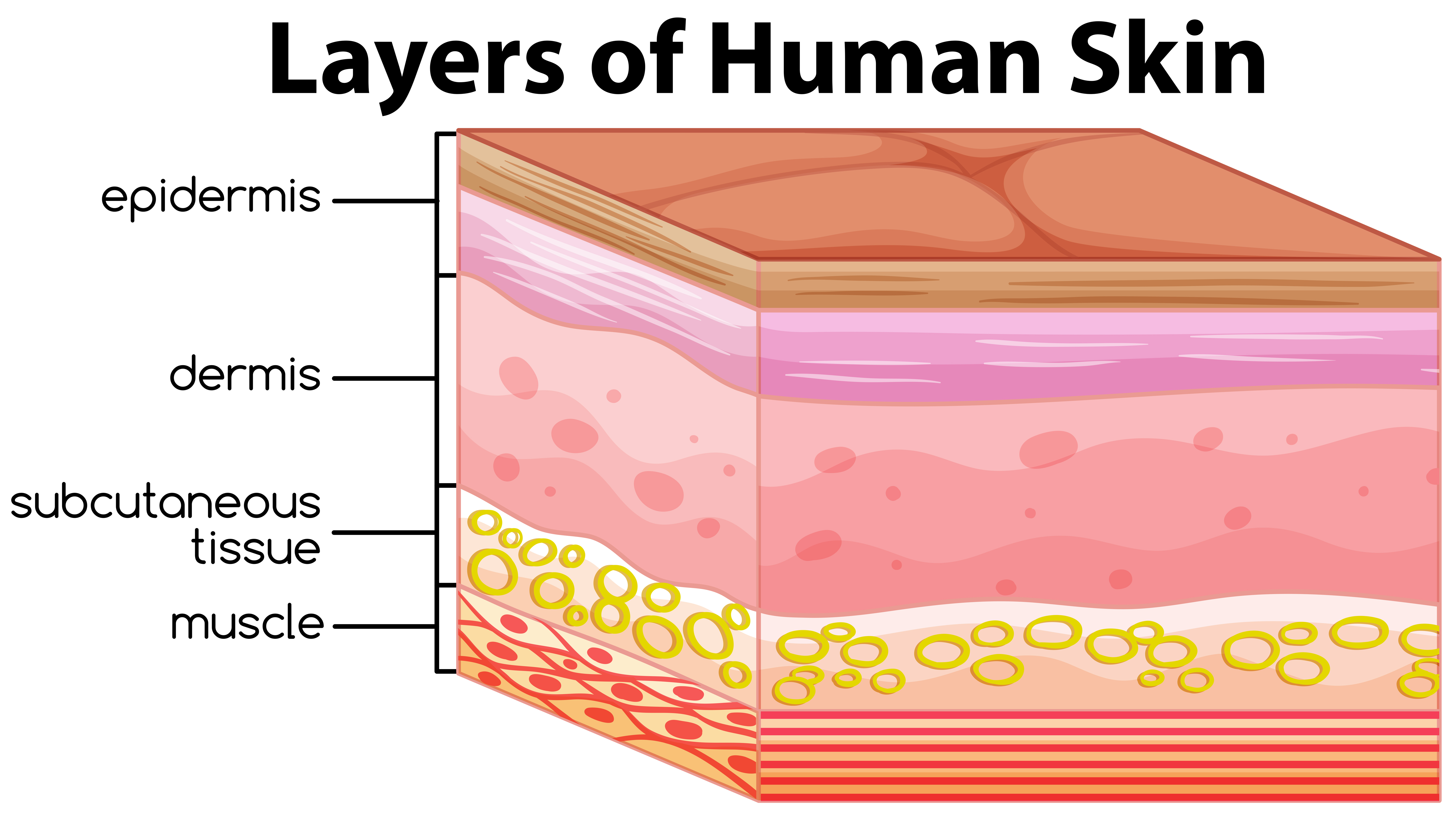
- Skin Irritation: Clogged pores from residual oils can lead to body acne or contact dermatitis.
- Allergy Aggravation: Increased concentrations of dust mite waste can lead to congestion, sneezing, and itchy eyes upon waking.
- Unpleasant Odors: Bacteria feeding on organic matter produce metabolic byproducts that result in a stale or sour smell in the bedroom.
- Reduced Fabric Lifespan: Over time, the accumulation of body oils can degrade the fibers of the fabric, leading to premature yellowing and thinning of the material.
By adhering to a weekly washing schedule, you not only improve the longevity of your investment in high-quality sheets but also prioritize your long-term health. For those looking for the latest guidance on home hygiene and allergen reduction, the Environmental Protection Agency provides ongoing resources regarding indoor air quality and maintenance. If you have specific concerns regarding skin health or allergies, consult your primary care physician for personalized recommendations.
What is your current laundry routine? Have you noticed a difference in your sleep quality or skin health after increasing your washing frequency? Please share your experiences and questions in the comments section below.
Worth a look