
President-elect Donald Trump has suggested a shift in U.S. strategy regarding the conflict in Lebanon, indicating a preference for alternative security arrangements to address Hezbollah’s presence. Reports circulating in international media suggest that Trump has expressed a desire for a more precise approach to neutralizing the group, contrasting this with current Israeli military operations in the region.
The proposed strategy, according to reports, involves the potential role of Ahmed al-Sharaa in managing the security landscape in Lebanon. The core of this proposed shift centers on minimizing structural damage and civilian impact, which Trump reportedly frames as a more surgical alternative to existing military tactics employed by the Israel Defense Forces (IDF) during their recent engagements in southern Lebanon.
Shifting Security Dynamics in Lebanon
The discourse surrounding a change in U.S. policy toward Lebanon comes as the region faces ongoing instability.
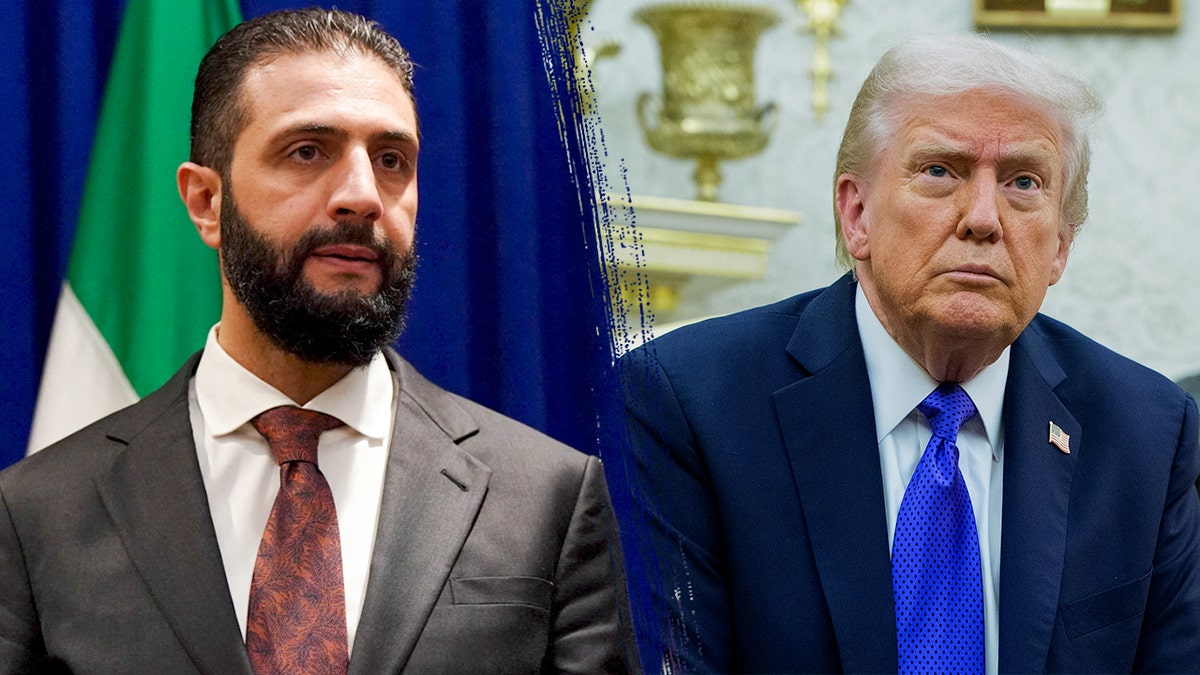
Trump’s reported comments emphasize a desire to avoid the widespread destruction of buildings, suggesting that a different approach to targeting Hezbollah could achieve security objectives without the high cost of urban demolition. While these suggestions have garnered attention, they remain part of a broader, fluid diplomatic dialogue regarding the future of the Levant. The U.S.
The Role of Regional Actors and External Influence
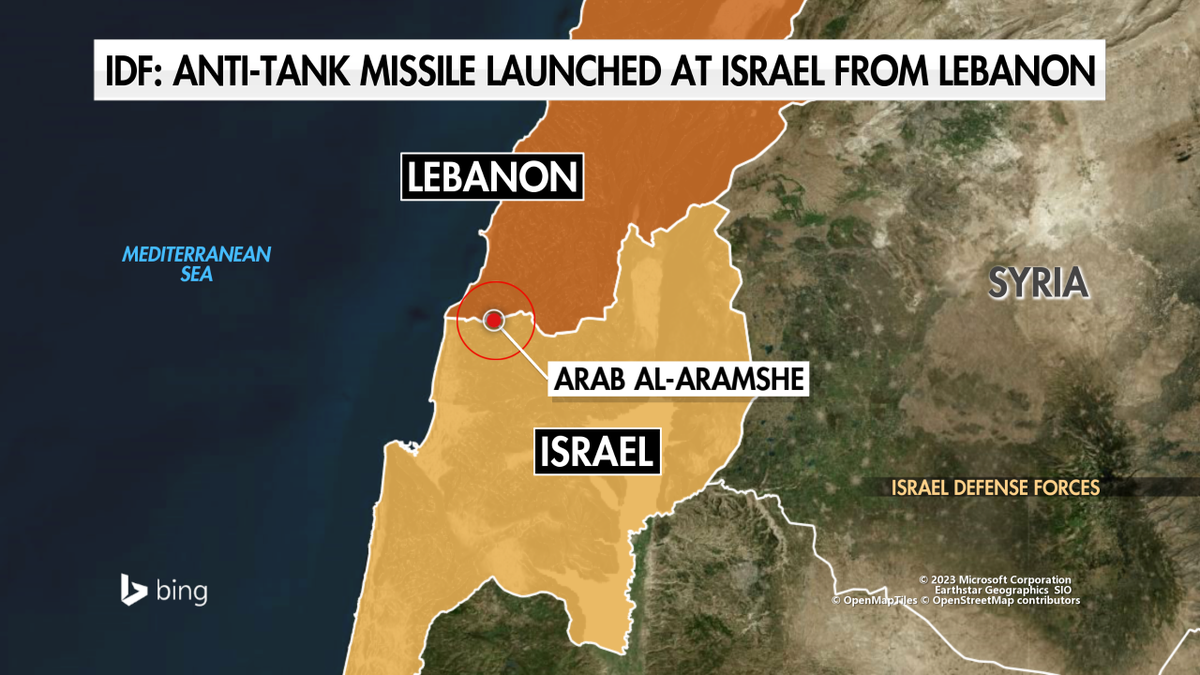
The involvement of various regional actors in the Lebanon-Israel conflict has complicated diplomatic efforts to reach a ceasefire. Analysts suggest that the U.S. transition period often invites speculation about potential shifts in support for Israeli military objectives. Former U.S. officials and political figures, such as Mike Huckabee, have frequently commented on the complexities of the Israel-Lebanon border, noting that the status of Syrian influence and the activities of proxy groups remain primary concerns for Israeli security planners.
Any move to sideline or replace traditional military engagement with a different security architecture would require significant coordination with both regional partners and international stakeholders to be effective.
Understanding the Strategic Intent
The focus on “precision” in military operations is a recurring theme in U.S. foreign policy rhetoric. Trump’s stated preference for a more targeted approach aligns with his long-standing criticism of prolonged conventional military campaigns. However, the practical application of such a policy in the dense urban environments of southern Lebanon presents significant logistical and intelligence challenges.
For observers, the key metric remains the actual implementation of these policies once the new administration takes office. The transition of power in Washington is scheduled for January 20, 2025, at which point the incoming executive branch will be expected to clarify its stance on the Middle East through official national security directives, as mandated by the U.S. Constitution. Until then, these reports function as indicators of potential future policy rather than established diplomatic reality.
Readers interested in the official status of these developments should monitor the U.S. We encourage our readers to share their analysis on these developments in the comments section below as we continue to track the transition of U.S. foreign policy.
- Hashim Djojohadikusumo Warns Against Bulk Buying of Low-Income Housing Units
- Celtics’ Derrick White Tries Ice Hockey as Goalie
- Trump HHS Health Policy Timeline 2025-2026: Key Actions and Impacts (newsdirectory3.com)
- Indiana's Flood Was a 1-in-1,000-Year Storm the Drains Couldn't Handle (daybreakwire.com)