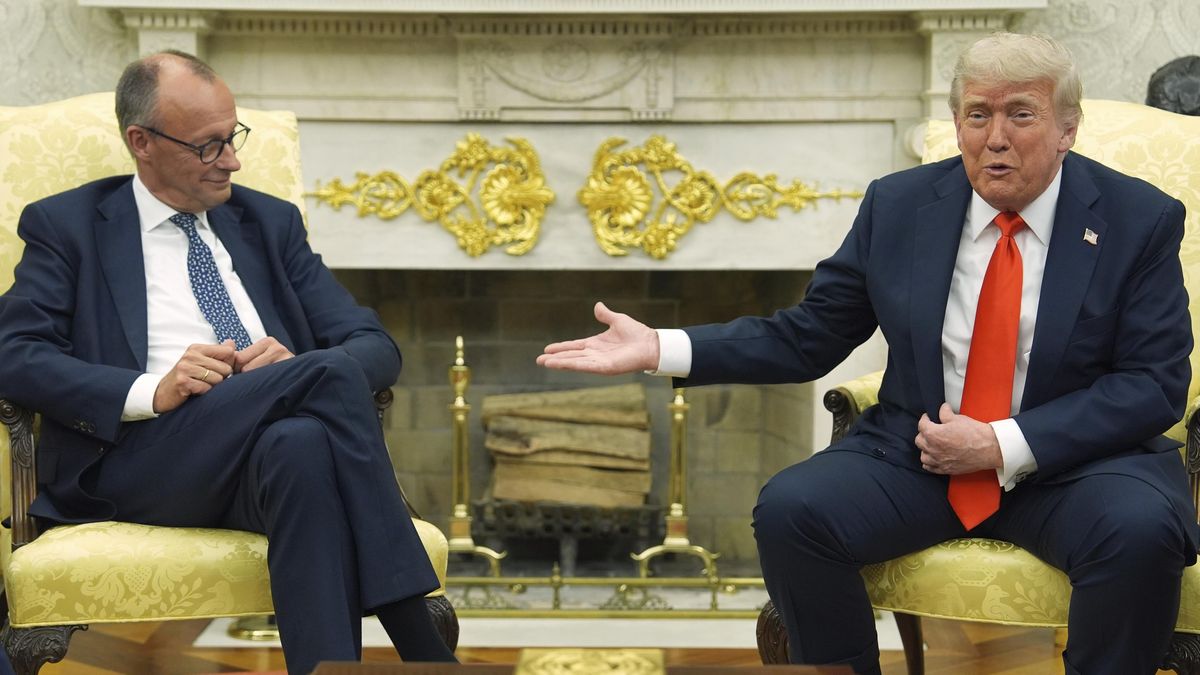
Trump Considers Troop Reduction in Germany Amidst Ongoing Disputes
Washington D.C. – President Donald Trump on Wednesday signaled a potential reduction of U.S. Military presence in Germany, escalating tensions with Chancellor Friedrich Merz over the ongoing conflict in Iran and broader disagreements regarding NATO’s role in global security. The announcement, made via a social media post, comes after Chancellor Merz publicly criticized the United States’ strategy in the war against Iran, stating that the U.S. Was being “humiliated” by Iranian leadership. This latest development underscores a continuing pattern of friction between the two leaders and raises questions about the future of the U.S.-Germany alliance.
The potential troop reduction is being framed by the Trump administration as a response to what it perceives as insufficient support from Germany and other NATO allies in the U.S.-led war against Iran, which began approximately two months ago. Trump has repeatedly voiced frustration with NATO members for not contributing more to collective defense efforts, and this latest threat appears to be a direct consequence of that dissatisfaction. The move also echoes previous attempts during Trump’s first term to scale back the U.S. Military footprint in Germany, ostensibly due to concerns about defense spending.
A History of Disagreements and Previous Attempts at Reduction
Here’s not the first time President Trump has threatened to reduce the number of U.S. Troops stationed in Germany. In June 2020, he announced plans to withdraw approximately 9,500 of the roughly 34,500 U.S. Service members then based in the country. However, that withdrawal never materialized. Upon taking office in 2021, President Joe Biden halted the planned drawdown and even authorized the deployment of an additional 500 troops to Bavaria. The current consideration for a reduction represents a reversal of that policy and a return to the approach favored during Trump’s initial presidency.
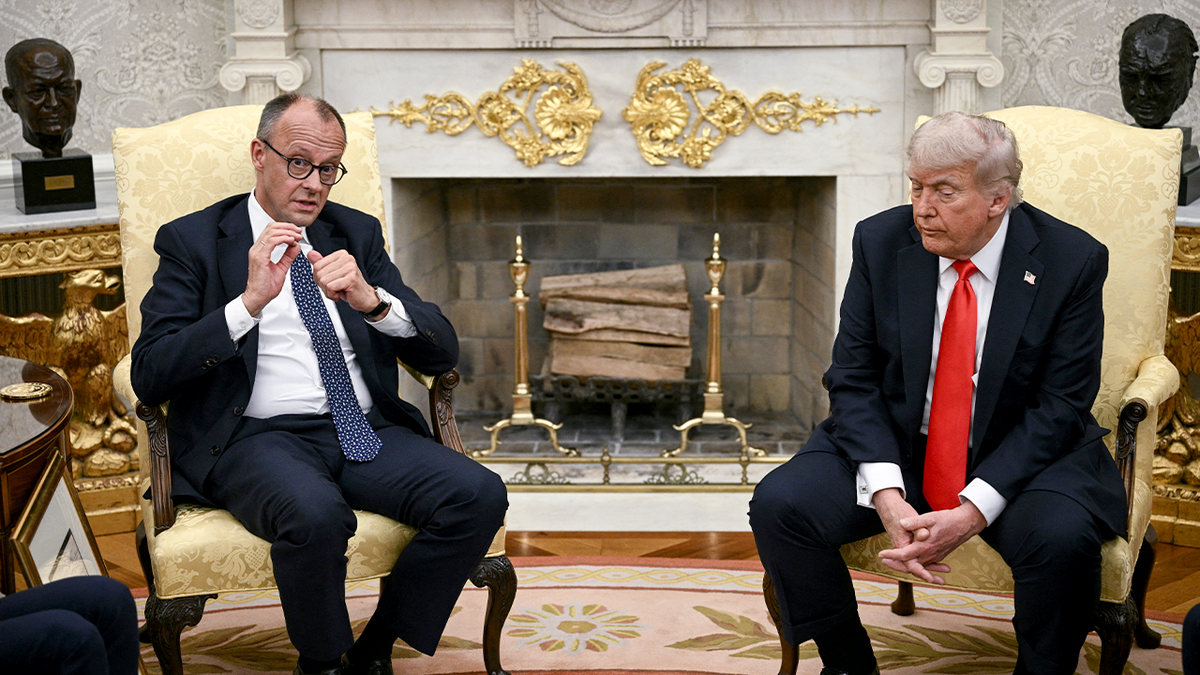
The core of the disagreement stems from differing perspectives on burden-sharing within NATO and the appropriate response to the conflict in Iran. Trump has consistently argued that European allies should shoulder a greater share of the financial and military burden for their own defense, while also aligning more closely with U.S. Foreign policy objectives. Chancellor Merz’s recent criticism of the U.S. Approach to the war in Iran – specifically, his assertion that Iran appears to be gaining the upper hand in negotiations – appears to have been the immediate catalyst for Trump’s latest threat.
Chancellor Merz’s Criticism and the State of U.S.-German Relations
According to reports, Chancellor Merz stated on Wednesday that his personal relationship with President Trump remains “as good as ever,” despite his reservations about the war in Iran. However, he expressed “doubts from the very beginning about what was started there with the war in Iran,” and suggested that the U.S. Lacked a clear strategy. Merz also noted that Iranian leadership appeared to be “stronger than expected” and was effectively “humiliating” the United States in negotiations.
These comments drew a swift and critical response from President Trump, who accused Merz of undermining U.S. Efforts and failing to adequately support a key ally. The exchange highlights a growing rift between Washington and Berlin, and raises concerns about the long-term stability of the transatlantic relationship. The U.S. Has been seeking greater European support for its military actions in the Middle East, but has faced resistance from several European leaders who have called for a diplomatic solution to the conflict.
Current U.S. Troop Levels in Germany and Potential Implications
Currently, approximately 35,000 U.S. Troops are stationed in Germany, making it one of the largest concentrations of American military personnel outside of the United States. These troops play a crucial role in maintaining regional security, supporting NATO operations, and deterring potential aggression from Russia. A significant reduction in U.S. Forces could have far-reaching consequences for both Germany and the broader European security landscape.
A withdrawal of troops could strain Germany’s defense capabilities and potentially require increased investment in its own military. It could also send a signal of diminished U.S. Commitment to European security, which could embolden adversaries and undermine the credibility of the NATO alliance. The move could complicate efforts to address other pressing security challenges, such as the ongoing conflict in Ukraine and the rise of terrorism.
The Broader Context: NATO and the War in Iran
The dispute over troop levels in Germany is unfolding against the backdrop of a wider debate about the future of NATO and the alliance’s role in addressing global security challenges. Trump has long been critical of NATO, arguing that it is outdated and unfairly burdens the United States. He has repeatedly called on European allies to increase their defense spending to at least 2% of their gross domestic product, a target that many countries have yet to meet.
The war in Iran has further exacerbated these tensions, as the U.S. Has sought greater European support for its military actions. However, several European leaders have expressed skepticism about the effectiveness of military force and have called for a renewed diplomatic effort to resolve the conflict. The disagreement over Iran highlights the fundamental differences in strategic priorities between the U.S. And some of its European allies.
“The United States is studying and reviewing the possible reduction of Troops in Germany, with a determination to be made over the next short period of time,” President Trump stated in a social media post. This suggests that a decision on troop levels could be made relatively quickly, potentially within the coming weeks or months. The outcome of this review will likely have a significant impact on the future of U.S.-Germany relations and the broader transatlantic alliance.
What Happens Next?
The immediate next step will be a review by the U.S. Government of its military presence in Germany. President Trump has indicated that a decision will be made “over the next short period of time,” but has not provided a specific timeline. Further diplomatic discussions between the U.S. And Germany are also expected, although the prospects for a breakthrough remain uncertain given the current level of tension. The situation remains fluid and is subject to change depending on developments in the war in Iran and the broader geopolitical landscape.
Readers seeking further information on this developing story are encouraged to follow updates from reputable news organizations and official government sources. The U.S. Department of Defense website (https://www.defense.gov/) and the website of the German Federal Foreign Office (https://www.auswaertiges-amt.de/en) are good sources for official statements and policy updates.
What are your thoughts on this developing situation? Share your perspectives in the comments below.
Related reading
- Ex-Fundación San José Official Sentenced to 3 Years for Fake Degrees Case
- Tony Burke Confirms Ex-ASIO Agent’s Testimony Can Be Heard in Public
- Germany’s Industrial Crisis: Causes and Future Outlook (archynewsy.com)
- Trump 2.0: Analyzing the Shift in US Military Exercises and Foreign Policy (newsdirectory3.com)