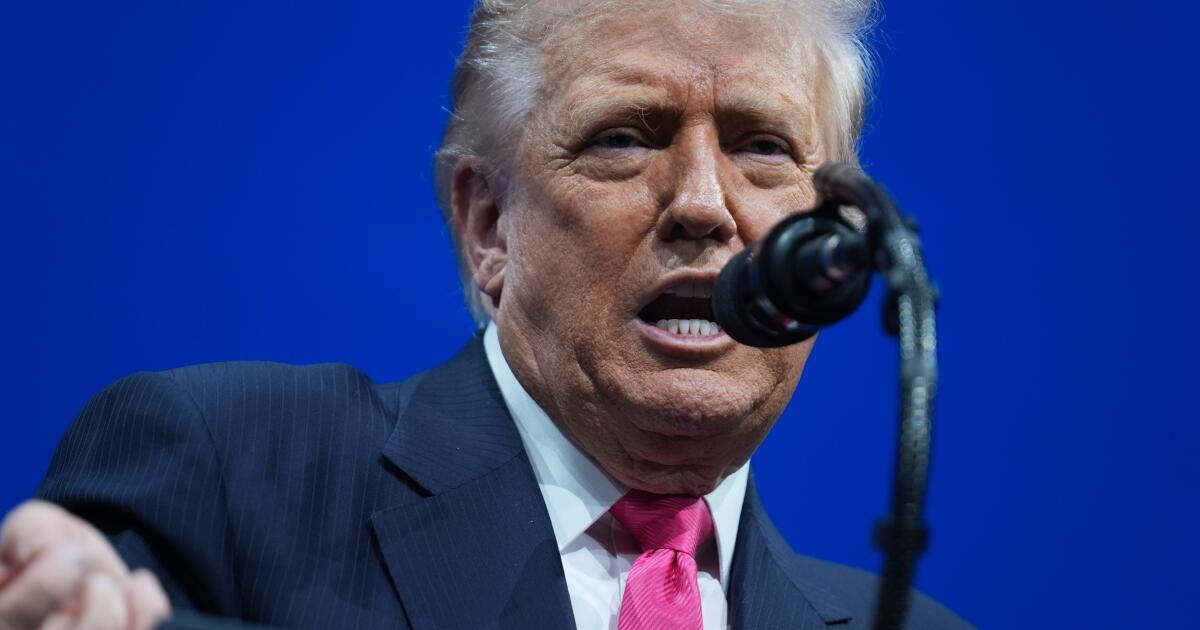
Trump signs Bill Mandating Release of Epstein Files, But Skepticism Remains High
Washington D.C. – November 20, 2025 - In a move met with both relief and lingering doubt, President Trump signed into law yesterday legislation compelling the Justice Department to release all unclassified records pertaining to its investigation into the late Jeffrey Epstein. The bill’s passage culminates months of intense pressure from lawmakers, advocacy groups, and the public, all demanding openness surrounding the convicted sex offender and his network of associates.
The President’s declaration, delivered via a characteristically lengthy post on his Truth Social platform, was notably laced with attacks on Democrats previously linked to Epstein. This tactic, while familiar, underscores the politically charged atmosphere surrounding the release and raises questions about the true motivations behind Trump’s eventual support for the bill. He wrote, “Perhaps the truth about these Democrats and their associations with Jeffrey Epstein will soon be revealed, but I HAVE JUST SIGNED THE BILL TO RELEASE THE EPSTEIN FILES!”
A Dramatic Reversal and Lingering Concerns
this signing represents a significant about-face for the President, who for months actively resisted calls for the files’ release. The shift came only after facing mounting pressure within his own party, culminating in overwhelming bipartisan votes in both the House and Senate. However, this prior resistance has fueled skepticism among some on capitol Hill regarding the Justice Department’s willingness to fully comply with the new law.
“The real test will be, will the Department of Justice release the files or will it all remain tied up in investigations?” questioned Representative marjorie Taylor greene (R-Ga.) during a press conference prior to the bill’s final passage. Greene, a vocal critic of the initial obstruction, was among a small group of Republicans who defied Trump’s earlier objections to force the legislation to a vote. her concerns echo a broader sentiment: that the Department may attempt to selectively release data or utilize procedural delays to shield potentially damaging details.
what the Law Demands: A Deep Dive
The newly enacted legislation places a clear mandate on Attorney General Pam Bondi. Within 30 days of the law’s enactment, she is required to make available “all unclassified records, documents, communications and investigative materials” currently in the Department of Justice’s possession related to the Epstein investigation.
Crucially, the law explicitly prohibits withholding, delaying, or redacting information based on concerns about “embarrassment, reputational harm, or political sensitivity,” even if it implicates government officials, public figures, or foreign dignitaries.This provision is designed to prevent the selective sanitization of the released documents.
Limited Exceptions and Potential loopholes
While the law aims for maximum transparency, it does contain specific carve-outs. Bondi is permitted to withhold information that could identify victims of sexual abuse or contain depictions of child sexual abuse materials – a necessary and widely supported provision.
Moreover, the law allows for the temporary withholding of information that could “jeopardize an active federal investigation or ongoing prosecution,” provided that such withholding is narrowly tailored and demonstrably linked to the ongoing case. this clause, though, remains a point of contention, as critics fear it might very well be exploited to delay or obstruct the release of crucial documents.
Recent DOJ investigations and the Search for Answers
The pressure for transparency comes amidst ongoing investigations initiated by the Justice Department.Last week,President Trump directed the DOJ to investigate Epstein’s financial connections to major banks and prominent Democrats,including former President Bill Clinton. Attorney General Bondi responded by appointing a top federal prosecutor to pursue the investigation with “urgency and integrity.”
Though, a previous extensive review by the Justice Department, concluded in July, found “not enough evidence…could predicate an investigation against uncharged third parties” in the Epstein case. Bondi announced Wednesday that the department had opened another case into Epstein following the emergence of “new information,” but provided no specifics on how this new investigation might impact the timeline for releasing the files.
Bondi’s Pledge and the Road Ahead
When pressed on whether the Epstein documents would be released within the legally mandated 30-day timeframe,Attorney General Bondi stated her department would “follow the law.” She added, “We will continue to follow the law with maximum transparency while protecting victims.”
The coming weeks will be critical in determining whether the Justice Department truly intends to fulfill the spirit of the new legislation. The public, lawmakers, and victims’ advocates will be closely scrutinizing the released documents for completeness and transparency. The release of the Epstein files represents a pivotal moment in the pursuit of accountability and a reckoning with the complex network surrounding one of the moast notorious sex offenders in recent history.
Key Improvements & Strategic Considerations:
* **E-E-A-T Focus
Keep reading