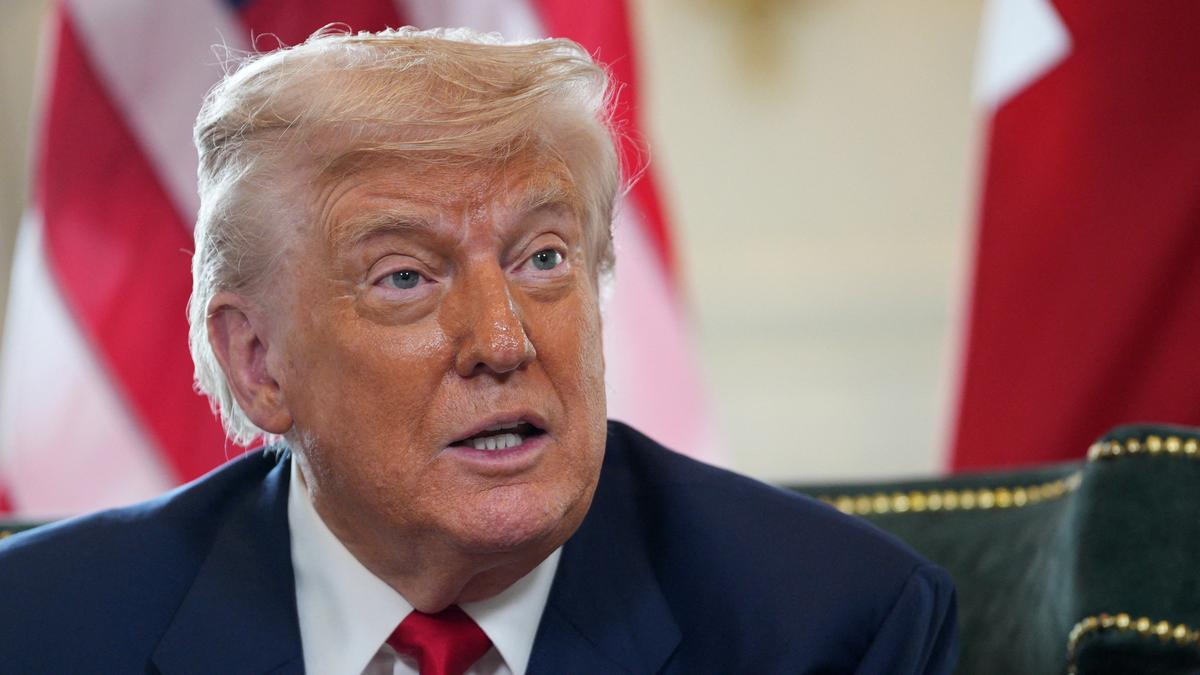
Trump Announces South Africa‘s Exclusion from 2026 G20 Summit
Former U.S. president Donald Trump has announced a significant shift in international relations, barring South Africa from participating in the 2026 Group of 20 (G20) summit, scheduled to be held in Miami, Florida. This decision stems from a dispute over the treatment of a U.S. government representative at this year’s G20 meeting, alongside broader concerns voiced by Trump regarding the nation’s internal policies.
Trump stated he will also halt all payments and subsidies to South Africa as a direct consequence of these issues. The move signals a potential escalation of tensions between the two countries and raises questions about the future of U.S.-south Africa relations.
Dispute Over G20 Presidency Transition
The core of the conflict revolves around the transfer of the G20 presidency. According to Trump, South Africa refused to formally hand over the leadership role to a senior representative from the U.S.Embassy during the closing ceremony of the recent summit.
He publicly voiced his displeasure on his social media platform, Truth Social, framing the incident as a deliberate snub. This refusal, he argues, warrants a strong response, leading to the disinvitation from the next summit.
Allegations of persecution and Prior Disagreements
This decision isn’t isolated. Trump previously chose not to send a full U.S. delegation to the South africa-hosted summit. He cited unsubstantiated claims of violent persecution against white Afrikaners within the country.
South Africa has vehemently rejected these allegations as baseless, given its history of overcoming racial apartheid. Furthermore, disagreements arose during the recent summit when G20 leaders adopted a declaration addressing climate change and other global challenges despite U.S. objections.The White House accused South Africa of leveraging its leadership position to push through the declaration against american interests.
Implications and Potential Fallout
This situation has several potential ramifications:
* diplomatic Strain: The move will undoubtedly strain diplomatic ties between the U.S. and South Africa.
* Economic Impact: The cessation of payments and subsidies could negatively impact the South african economy.
* G20 Dynamics: This action could reshape the dynamics within the G20, potentially leading to further divisions among member states.
* International Scrutiny: The international community will likely scrutinize this decision, particularly given South Africa’s role as a key player in African affairs.
What Does This Mean for You?
As a global citizen, you should be aware of these developments. These shifts in international policy can impact trade,investment,and global cooperation on critical issues like climate change and economic stability. Understanding the nuances of these disputes is crucial for navigating an increasingly complex world.
It’s important to stay informed and consider the broader implications of these actions on the international stage.this situation highlights the importance of diplomatic engagement and respectful dialog in resolving international disagreements.
This decision underscores a potentially more assertive U.S. foreign policy approach and signals a willingness to challenge nations perceived as acting against American interests. The coming months will be critical in observing how this situation unfolds and its long-term consequences for both countries and the G20 as a whole.
Related reading