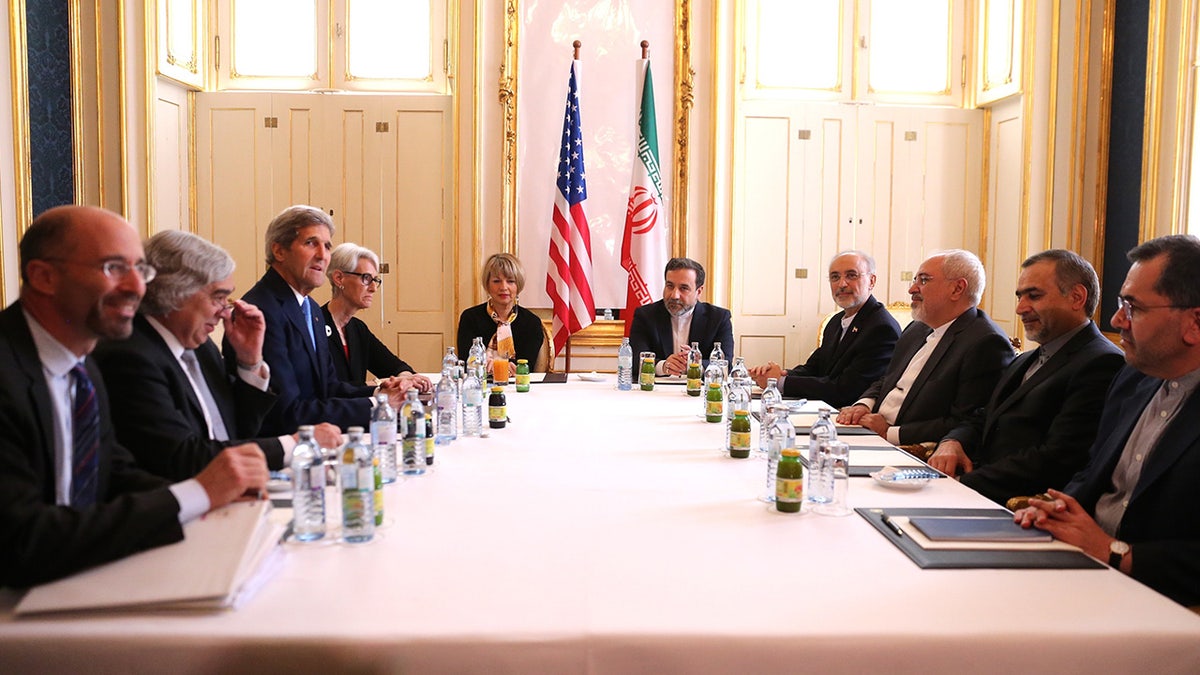
Diplomatic efforts to stabilize the Middle East have reached a critical juncture following the collapse of high-level negotiations between the United States and Iran. In a coordinated effort to prevent a slide toward open conflict, the United Kingdom and the Sultanate of Oman have urgently called for the maintenance of the current ceasefire, describing the continued truce as “vital” for regional security.
The diplomatic urgency follows the failure of the first round of negotiations held in Islamabad, Pakistan. Despite the breakdown of these talks, a two-week truce—mediated by Pakistan and effective since the night of April 7-8—remains in place. International observers and government leaders are now racing to ensure that the failure of the diplomatic track does not trigger a military escalation in one of the world’s most volatile maritime corridors.
On Sunday, April 12, 2026, Sultan Haitham bin Tarik of Oman and British Prime Minister Keir Starmer held a telephone conversation to discuss the latest developments. The two leaders focused on the repercussions of the failed peace talks and the necessity of avoiding further escalation to preserve regional stability.
The Breakdown of Islamabad Negotiations
The first round of negotiations between the U.S. And Iran, hosted in Pakistan, concluded without a breakthrough after approximately 21 hours of discussions. The failure of these talks has sparked a wave of international regret, with various global powers urging both parties to return to the diplomatic path rather than resorting to military posturing.
The timing of this collapse is particularly precarious, as the ceasefire established through Pakistani mediation is the only remaining barrier preventing a return to active hostilities. The UK and Oman have specifically urged both the United States and Iran to find new avenues for progress, emphasizing that the preservation of the ceasefire is the most critical priority at this moment to prevent a broader regional crisis.
UK and Oman’s Strategic Intervention
The telephone call between Prime Minister Keir Starmer and Sultan Haitham bin Tarik underscores the strategic role Oman plays as a traditional mediator in Gulf affairs. By aligning with the UK, Oman is attempting to create a diplomatic buffer that encourages both Washington and Tehran to exercise restraint.

During their discussions, Starmer and the Sultan highlighted that the failure of the Islamabad talks should not be viewed as a definitive end to diplomacy, but rather as a signal that more flexible approaches or “painful concessions” may be required from the participating parties to achieve a lasting peace. The two leaders reiterated that any additional escalation would be detrimental to the security and stability of the entire region.
Key Takeaways from the Diplomatic Crisis
- Negotiation Failure: The first round of U.S.-Iran talks in Islamabad ended without agreement after 21 hours.
- Ceasefire Status: A two-week truce mediated by Pakistan began on the night of April 7-8 and remains active.
- Diplomatic Alignment: The UK and Oman are coordinating to pressure both sides to maintain the truce and avoid escalation.
- Regional Risk: The primary concern for international actors is that the collapse of diplomacy will lead to renewed hostilities.
What In other words for Regional Stability
The failure of these talks places significant pressure on the mediators in Pakistan and the supporting roles of the UK and Oman. When diplomatic channels close, the risk of miscalculation increases, particularly in contested areas. The insistence by the UK and Oman that the ceasefire is “vital” suggests that the window for a peaceful resolution is narrowing.

For the global community, the stability of this region is inextricably linked to the flow of trade and energy. Any breach of the current ceasefire could have immediate implications for global markets and maritime security, making the continued efforts of the Sultanate of Oman and the British government essential to preventing a systemic collapse of the current truce.
The international community now looks toward whether the U.S. And Iran will heed the calls for restraint or if the failure in Islamabad will lead to a more aggressive posture from either side. The focus remains on whether a second round of talks can be organized or if the current ceasefire will expire without a diplomatic successor.
The next critical checkpoint will be the expiration of the two-week ceasefire, which began on April 7-8. All eyes remain on the diplomatic channels in Muscat and London to see if a new framework for negotiations can be established before the truce ends.
We invite our readers to share their perspectives on these diplomatic developments in the comments below and share this report with others following the situation in the Middle East.
Keep reading