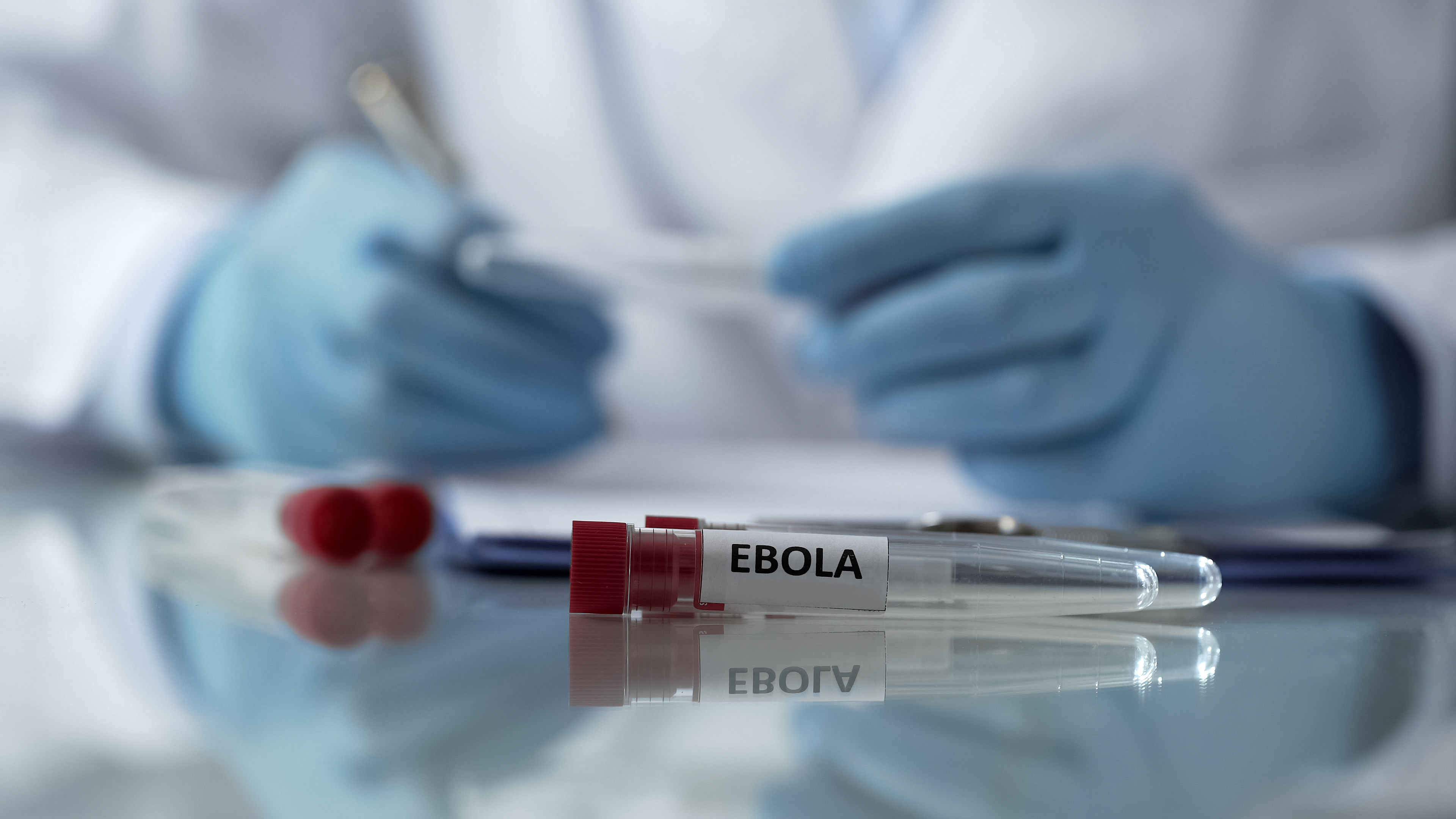
Researchers in the United Kingdom are preparing to launch human clinical trials for a new Ebola vaccine candidate designed to provide rapid protection against the virus. The trials aim to evaluate the safety and efficacy of the vaccine in healthy volunteers, marking a critical step toward creating a scalable response for future outbreaks of the hemorrhagic fever.
The effort centers on a vaccine approach that prioritizes speed of deployment and high levels of immune response. According to the World Health Organization, Ebola virus disease is a severe illness with a high fatality rate, making the development of a preventative vaccine a global health priority to protect frontline healthcare workers and populations in endemic regions.
This development follows years of research into viral vector vaccines and mRNA technology. While previous vaccines like Ervebo have been deployed in the Democratic Republic of the Congo, the current UK-led trials seek to refine the delivery mechanism and improve the duration of immunity. The trials will be conducted under strict regulatory oversight to ensure participant safety and data integrity.
Clinical Trial Objectives and Safety Protocols
The primary goal of the upcoming human trials is to determine if the vaccine candidate triggers a sufficient antibody response without causing severe adverse effects. Researchers will monitor participants for systemic reactions and specific immune markers that indicate the body has recognized the Ebola glycoprotein, the target of the vaccine.
To maintain safety, the trials will likely utilize a phased approach. Phase 1 focuses on a small group of healthy adults to assess safety and dosage. If these results are positive, the study expands to Phase 2, which examines immunogenicity—the ability of the vaccine to provoke an immune response—in a larger cohort. These protocols are aligned with the standards set by the Medicines and Healthcare products Regulatory Agency (MHRA) in the UK.
Medical teams will use rigorous screening to ensure volunteers have no pre-existing conditions that could interfere with the results or jeopardize their health. Because the vaccine does not contain the live Ebola virus, there is no risk of participants contracting the disease during the trial process.
The Role of Viral Vectors in Ebola Prevention
Many of the current vaccine candidates being tested in the UK utilize viral vectors. This technology involves using a modified, harmless virus to carry a piece of the Ebola virus’s genetic code into human cells. This “instruction manual” tells the body how to create a protein that mimics the Ebola virus, training the immune system to recognize and attack the real pathogen upon exposure.
This method is viewed as more effective than traditional inactivated vaccines because it often stimulates both B-cells (which produce antibodies) and T-cells (which kill infected cells). According to data from the Centers for Disease Control and Prevention, this dual-layered immune response is essential for combating highly virulent pathogens like Ebola, which can suppress the host’s natural immune system.
The UK’s investment in this research is part of a broader strategy to enhance global health security. By developing these tools in controlled laboratory and clinical settings in Europe, the resulting vaccines can be rapidly shipped and deployed to Africa and other regions where the virus is endemic.
Impact on Global Outbreak Response
The ability to deploy a vaccine quickly is the difference between a contained cluster of cases and a widespread epidemic. During the 2014-2016 West Africa outbreak, the lack of an approved vaccine contributed to thousands of deaths. The current push for new candidates aims to shorten the window between the detection of a new case and the administration of a preventative dose.
Public health officials emphasize that a “ring vaccination” strategy—vaccinating the contacts of an infected person and the contacts of those contacts—is the most effective way to stop transmission. A vaccine that is easier to store, transport, and administer would significantly increase the feasibility of this strategy in remote areas with limited cold-chain infrastructure.
The success of these UK trials would provide a blueprint for tackling other “Disease X” scenarios—unknown pathogens that could cause future pandemics. The infrastructure used for Ebola research, including high-containment laboratories and specialized clinical trial units, serves as a foundation for rapid response to various emerging infectious diseases.
The next confirmed checkpoint for this project is the formal publication of the trial’s Phase 1 safety data, which will determine if the study proceeds to larger human cohorts. Updates on participant recruitment and preliminary findings are expected to be released through official UK health research channels.
We invite healthcare professionals and researchers to share their perspectives on viral vector advancements in the comments below.
Keep reading