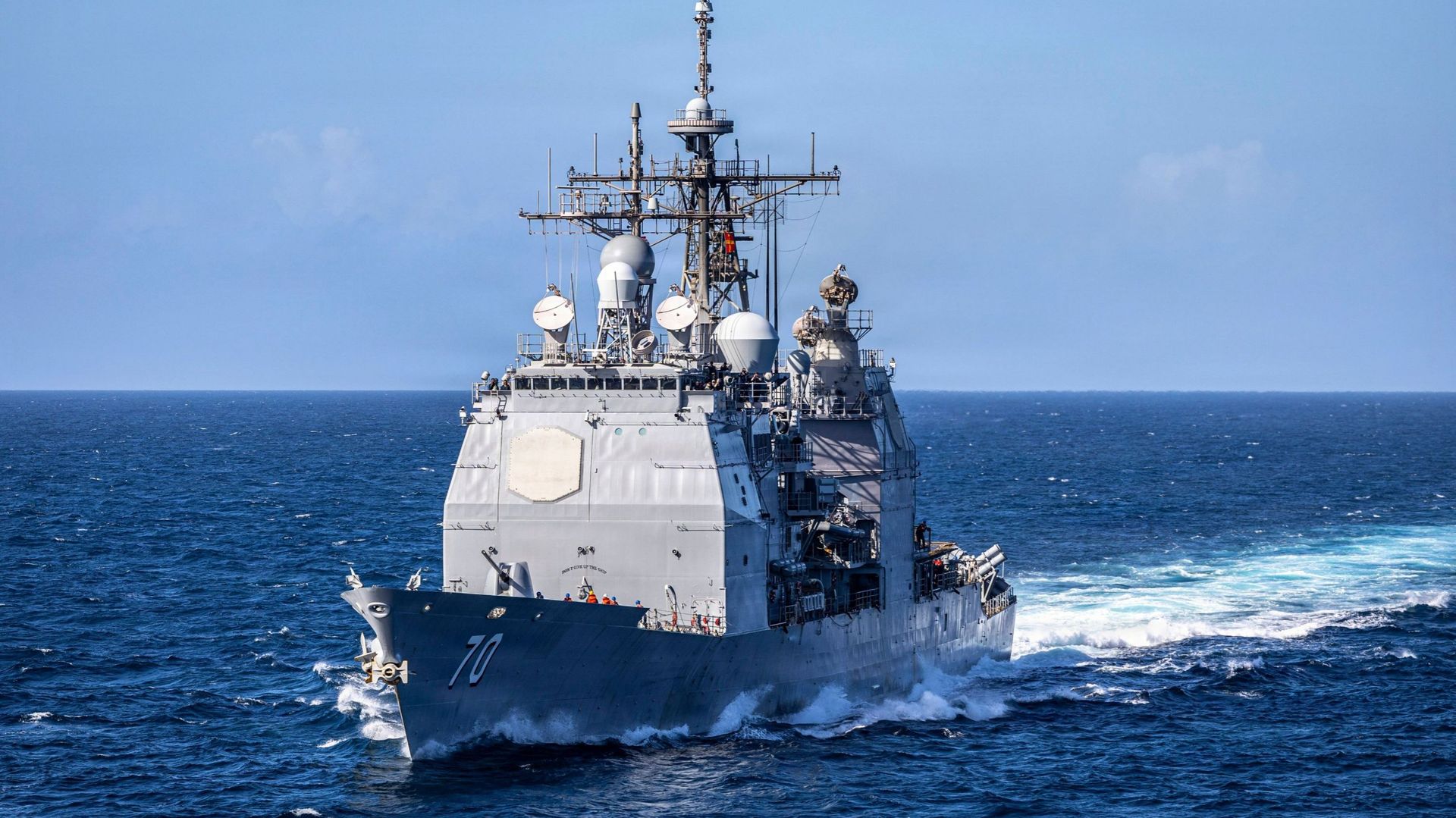
The United States continues its intensified campaign against suspected drug traffickers in the Caribbean and Eastern Pacific, with a recent lethal strike in the Pacific resulting in six fatalities. This action, announced by the U.S. Southern Command (SOUTHCOM) on social media, brings the total number of individuals killed in similar operations since September to over 150, raising concerns about legality and proportionality.
The latest operation, conducted by Joint Task Force Southern Spear at the direction of SOUTHCOM commander Gen. Francis L. Donovan, targeted a vessel allegedly involved in narco-trafficking. According to SOUTHCOM, intelligence confirmed the vessel was traveling along known drug trafficking routes in the Eastern Pacific and actively engaged in illicit narcotics operations. SOUTHCOM posted a video depicting the destruction of a small boat by an aerial explosion.
This incident is part of a broader pattern of kinetic strikes authorized by SOUTHCOM, beginning in February 2026. On February 23rd, a similar strike targeted a vessel in the Caribbean, too operating under the direction of Gen. Donovan. Another strike occurred on February 9th, also in the Eastern Pacific. Prior to these, on November 15, 2025, Joint Task Force Southern Spear conducted a lethal strike on a vessel carrying narcotics, directed by Secretary of War Pete Hegseth. That operation resulted in the deaths of three men. SOUTHCOM reported the vessel was involved in illicit narcotics smuggling.
Escalating US Counter-Narcotics Operations in Latin America
The increasing frequency and lethality of these operations signal a significant escalation in the U.S. Approach to counter-narcotics efforts in Latin America and the Caribbean. While U.S. Officials maintain these strikes are necessary to disrupt the flow of drugs into the United States, the strategy has drawn criticism from international observers and legal experts. The core of the debate centers on the lack of transparency and due process surrounding these operations, and the potential for civilian casualties.
The legal basis for these actions remains contested. Critics argue that the strikes constitute extrajudicial killings, violating international law and fundamental human rights principles. Concerns have been raised by experts and officials from the United Nations, who question the legality of targeting vessels without clear evidence of direct involvement in criminal activity and without affording those onboard a fair trial. The administration of President Donald Trump has been criticized for not providing concrete evidence linking the targeted vessels to drug trafficking operations.
Concerns Over Proportionality and Civilian Casualties
A central concern revolves around the proportionality of the force used. The use of lethal force against vessels suspected of drug trafficking raises questions about whether the response is commensurate with the perceived threat. The destruction of boats and the resulting loss of life, even if those onboard are involved in illegal activities, are subject to scrutiny under international humanitarian law. The potential for mistaken identity or collateral damage further complicates the situation.
The lack of detailed information released by SOUTHCOM regarding the specific intelligence used to identify and target these vessels fuels skepticism. Without transparency regarding the evidence supporting these claims, It’s tricky to assess whether the operations are justified and conducted in accordance with legal standards. The reliance on intelligence reports, while necessary for security operations, requires rigorous verification and accountability to prevent errors and abuses.
The Broader Context: US-Latin American Relations
These operations are unfolding within a complex geopolitical landscape. The United States has a long history of involvement in counter-narcotics efforts in Latin America, often characterized by a militarized approach. This approach has been criticized for its limited effectiveness in curbing drug production and trafficking, and for its unintended consequences, such as contributing to violence and instability in the region. The current escalation risks further straining relations between the U.S. And Latin American countries, particularly those whose citizens may be disproportionately affected by these operations.
The issue of drug trafficking is deeply intertwined with broader socio-economic factors, including poverty, inequality, and corruption. Addressing these underlying issues is crucial for achieving a sustainable solution to the drug problem. A purely military approach, without addressing the root causes of drug trafficking, is unlikely to be successful in the long term. The focus on interdiction efforts often overlooks the demand side of the equation, with the United States remaining the largest consumer of illicit drugs.
International Reactions and Legal Challenges
The U.S. Counter-narcotics strategy has drawn criticism from various international actors. Human rights organizations have condemned the operations as unlawful and called for independent investigations into alleged abuses. Some Latin American governments have expressed concerns about the potential for violations of their sovereignty and the impact on civilian populations. The legality of the campaign, as highlighted by RTBF, is a subject of intense debate both internationally and within the U.S. Political sphere. RTBF’s reporting suggests the U.S. Intends to continue these operations.
Legal challenges to the U.S. Policy are anticipated. Civil liberties groups may file lawsuits seeking to halt the operations, arguing that they violate due process and international law. The outcome of these legal battles could have significant implications for the future of U.S. Counter-narcotics policy in Latin America. The debate over the legality and morality of these operations is likely to continue, as the U.S. Government seeks to balance its national security interests with its obligations under international law.
The U.S. Government has not yet responded to specific criticisms regarding the lack of transparency and potential for civilian casualties. However, officials have defended the operations as necessary to protect national security and disrupt the flow of drugs into the United States. They argue that the targeted vessels pose a direct threat to U.S. Interests and that the use of force is justified in self-defense.
Looking ahead, the situation remains fluid. The U.S. Government is expected to continue its counter-narcotics operations in Latin America and the Caribbean, potentially expanding the scope and intensity of these efforts. The international community will be closely watching to see how these operations unfold and whether they are conducted in accordance with international law and human rights principles. The next key development will likely be a report from SOUTHCOM detailing the results of the latest operations and outlining future plans.
Key Takeaways:
- The U.S. Has significantly escalated its counter-narcotics operations in Latin America, resulting in over 150 deaths since September.
- These operations are conducted by Joint Task Force Southern Spear under the direction of Gen. Francis L. Donovan.
- The legality of the strikes is contested, with critics arguing they constitute extrajudicial killings.
- Concerns exist regarding proportionality, civilian casualties, and the lack of transparency surrounding the operations.
- The U.S. Strategy faces international criticism and potential legal challenges.
We encourage readers to share their thoughts and perspectives on this critical issue in the comments section below. Your engagement is vital to fostering a comprehensive understanding of this complex situation.
Worth a look
- Ex-Fundación San José Official Sentenced to 3 Years for Fake Degrees Case
- Tony Burke Confirms Ex-ASIO Agent’s Testimony Can Be Heard in Public
- Trump 2.0: Analyzing the Shift in US Military Exercises and Foreign Policy (newsdirectory3.com)
- Akron Fires Officer Who Killed 15-Year-Old, Settles Lawsuit for $4.75 Million (news-usa.today)