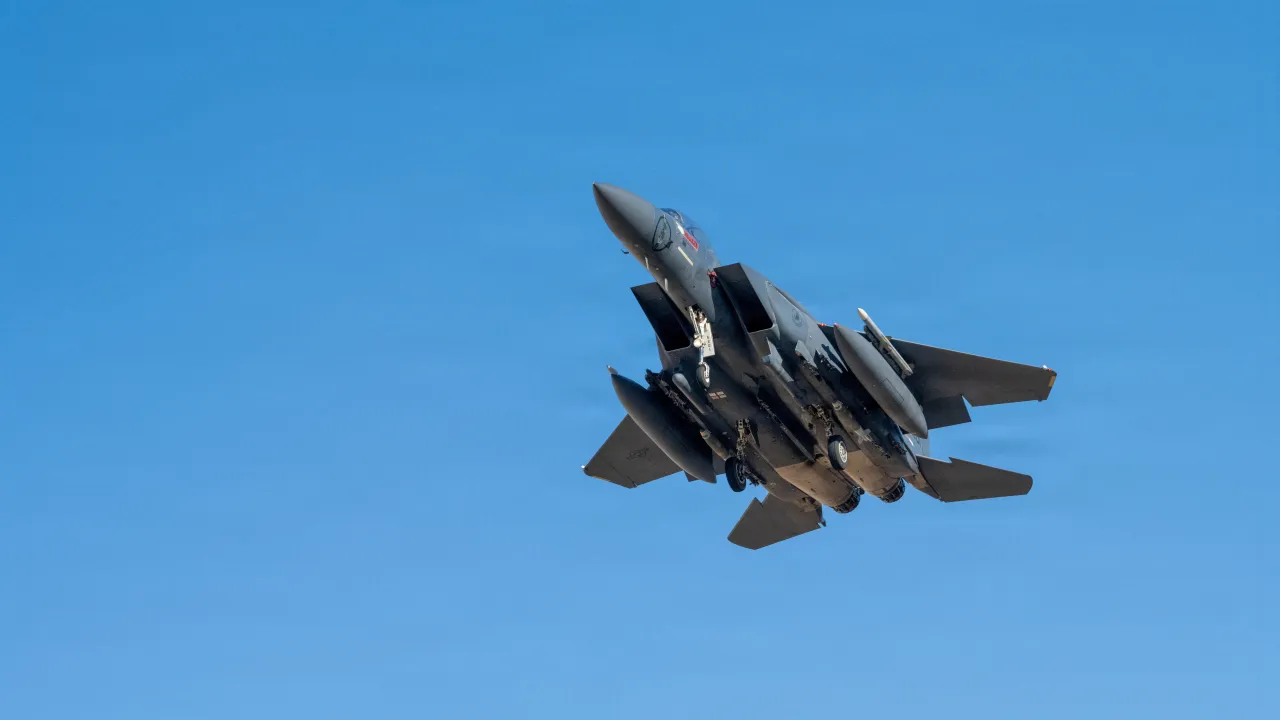
The geopolitical tension between Washington and Tehran has reached a critical flashpoint this week, as President Donald Trump threatens a massive military blitz against Iranian infrastructure. The escalation follows a period of intense conflict that began in February, marked by joint U.S.-Israeli strikes and a high-stakes rescue operation that has become a central point of American domestic and military narrative.
At the heart of the current crisis is a strict deadline set by the White House: the reopening of the Strait of Hormuz. President Trump has warned that if a deal acceptable to him is not reached by 8 p.m. ET on Tuesday, the United States will launch a concentrated attack targeting the nation’s vital energy and transport networks. This ultimatum comes amid a broader state of “major combat operations” that were first announced on Feb. 28, involving massive joint U.S.-Israeli strikes on Iranian military and government sites according to ABC News.
The atmosphere in the newsroom is one of high alert as we track these developments. For those of us covering global affairs, the stakes could not be higher. The potential for a total demolition of Iran’s power grid and bridge network represents a level of escalation that threatens not only regional stability but the very foundation of the global energy market.
The US Rescue Mission in Iran and Military Success
While the threat of further bombing looms, the U.S. Administration is currently capitalizing on a significant tactical victory. The U.S. Recently confirmed the successful rescue of an American airman from Iranian territory. The operation was described by the CIA director as one that left Iran “humiliated” via ABC News.
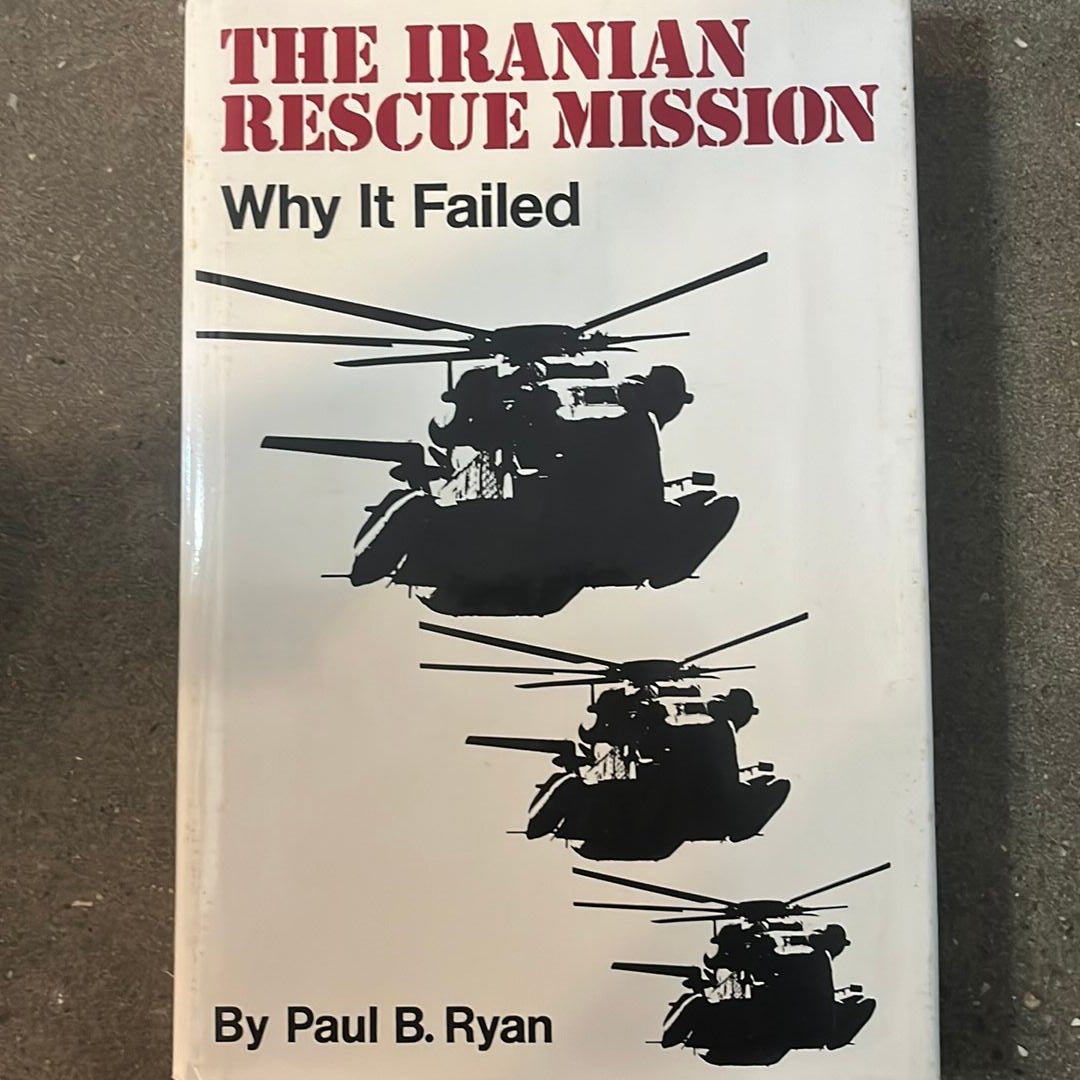
The human element of the mission was highlighted by Pete Hegseth, who reported that the rescued airman’s first message upon being recovered was, “God is good.” This successful US rescue mission in Iran has served as a morale booster for the administration and a point of leverage in the ongoing conflict. President Trump has used the momentum of this mission to assert that the Iranian people are willing to suffer “in order to have freedom” and have allegedly asked the U.S. To “keep bombing” the current regime as reported by ABC News.
The Tuesday Deadline: ‘Power Plant Day’
The current focus of the administration has shifted toward the Strait of Hormuz, a key waterway that Iran effectively closed shortly after the war began in February. Since then, vessels in the area have arrive under attack by missiles and drones, creating a volatile environment for international shipping according to The Independent.
President Trump has been explicit about the consequences of failing to reopen the strait. He has characterized the coming Tuesday as “Power Plant Day, and Bridge Day, all wrapped up in one” via The Independent. The proposed military action is described as a four-hour blitz attack designed to decimate every bridge and power plant in Iran by 12:00 tomorrow night according to ABC News.
In a series of posts on Truth Social, the president used aggressive language to demand the reopening of the waterway, telling Iran to “open the F***in’ Strait, you crazy bastards” or face “living in Hell” as reported by The Independent. This rhetoric underscores a strategy of maximum pressure intended to force a diplomatic concession regarding the free traffic of oil.
Tehran’s Response and Global Economic Turmoil
The Iranian government has reacted with sharp condemnation. Mohammad Bagher Ghalibaf, the speaker of the Iranian parliament, warned that Trump’s “reckless moves” are dragging the United States into a “living HELL for every single family” and risking the incineration of the entire region via The Independent. Ghalibaf urged the U.S. President to end what he termed a “dangerous game” and respect the rights of the Iranian people.
Despite the public hostility, there are indications of back-channel communications. President Trump has stated that the U.S. Is currently in negotiations with Iran’s parliamentary speaker according to AP News. However, these talks are occurring against a backdrop of threats to “take Iran’s oil” if an agreement is not reached via The Independent.
The impact of this conflict extends far beyond the borders of the Middle East. The disruption of traffic in the Strait of Hormuz has already triggered an oil-price shock, sparking turmoil in global markets as reported by The Independent. This economic instability has placed significant pressure on Washington to resolve the conflict, even as the administration continues to threaten the destruction of civilian infrastructure, including power plants.
Key Conflict Timeline and Stakes
| Event/Date | Detail | Impact |
|---|---|---|
| Feb. 28, 2026 | Announcement of “major combat operations” | Joint U.S.-Israeli strikes on military/gov sites |
| Early 2026 | Closure of Strait of Hormuz | Oil-price shock and global market turmoil |
| April 2026 | Rescue of US Airman | U.S. Tactical success; Iran “humiliated” |
| Tuesday, April 7 | 8 p.m. ET Deadline | Potential 4-hour blitz on bridges and power plants |
As we approach the Tuesday night deadline, the world watches to see if diplomacy can prevail or if the “Power Plant Day” threat will materialize into a full-scale demolition of Iranian infrastructure. The outcome will likely determine the trajectory of global oil prices and the stability of the Middle East for years to come.
The next confirmed checkpoint is the 8 p.m. ET deadline on Tuesday, April 7, 2026. We will provide live updates as the situation develops.
Do you believe the current strategy of maximum pressure will lead to a diplomatic resolution, or is it risking an uncontrollable regional war? Share your thoughts in the comments below.
Keep reading