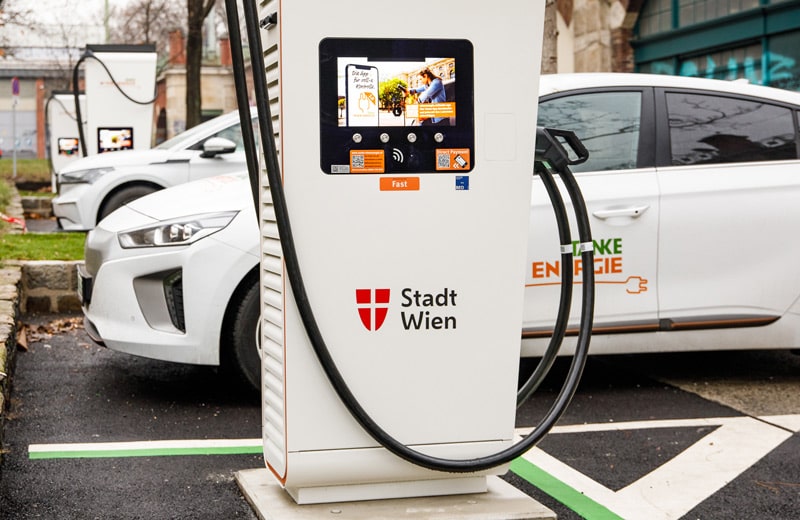
Vienna is accelerating its transition to electric mobility, announcing plans to nearly double its public charging infrastructure with the addition of up to 1,000 new charging points, including ten dedicated fast-charging parks. This ambitious expansion, a collaborative effort between the City of Vienna and Wien Energie, responds directly to the rapidly increasing adoption of electric vehicles (EVs) within the Austrian capital. The initiative underscores Vienna’s commitment to becoming a more sustainable and environmentally friendly city, aligning with broader European Union goals for reducing carbon emissions and promoting green transportation.
The move comes as Vienna experiences a surge in EV ownership. As of January 31, 2026, the city registered 46,271 electric passenger cars, according to data from the Austrian Federal Association for Electromobility. The City of Vienna recognizes the critical need for a robust charging infrastructure to support this growth and encourage further adoption of electric vehicles, making it easier and more convenient for residents and visitors to choose emission-free transportation options. This expansion isn’t simply about adding more chargers; it’s about strategically placing them where they are most needed and accessible.
Expanding Vienna’s Charging Network
Currently, Vienna boasts approximately 4,030 publicly accessible charging points, with Wien Energie operating around two-thirds of these. The city aims to reduce the average distance between Wien Energie charging stations from 400 meters to 250 meters, ensuring greater accessibility for EV drivers throughout the urban landscape. This targeted approach will prioritize areas currently underserved by charging infrastructure, as well as high-traffic locations where demand is expected to be greatest. The plan also includes provisions for barrier-free charging points to accommodate drivers with disabilities and dedicated infrastructure to support the carsharing services offered by Wiener Linien (WienMobil).
The expansion project is slated for discussion in the Mobility Committee and subsequent approval by the governing bodies of Wien Energie. This collaborative approach highlights the importance of public-private partnerships in achieving ambitious sustainability goals. The investment in charging infrastructure is not merely a logistical upgrade; it’s a fundamental component of Vienna’s broader climate strategy, aiming to create a more livable and sustainable urban environment for its citizens.
A Core Component of Vienna’s Climate Strategy
City Councillor for Urban Development and Mobility, Ulli Sima, emphasized the city’s existing commitment to sustainable transportation, stating that “three-quarters of Vienna’s residents are already getting around in an environmentally friendly way.” Wien Energie’s contribution to this effort is substantial, and the additional charging points are seen as a vital step alongside investments in public transport and cycling infrastructure. Sima highlighted that this initiative builds upon a cooperative agreement established in 2017, providing “a further powerful boost for Vienna.”
The expansion aligns with Vienna’s overarching climate goals, aiming to create a fossil-fuel-free future. Leonhard Schitter, CEO of Energie AG (mentioned in a related Leadersnet article regarding a Gen Z energy tariff), articulated a similar vision, stating that the company’s strategic focus is on creating a fossil-free future for future generations. Energie AG’s “Experience Good Energie” tariff, targeting younger demographics, demonstrates a broader industry trend towards appealing to environmentally conscious consumers.
Political Support and Future Outlook
The initiative has garnered support from across the political spectrum. Angelika Pipal-Leixner, Mobility and Environment spokesperson for NEOS Wien, stressed the necessity of a dense network of charging stations to facilitate the transition from internal combustion engine vehicles to electric alternatives. This sentiment underscores the broad consensus on the importance of investing in EV infrastructure to support a sustainable transportation system.
The planned expansion isn’t happening in isolation. Vienna is actively monitoring the evolving needs of EV drivers and adapting its infrastructure accordingly. The city is also exploring innovative charging solutions, such as wireless charging and battery swapping technologies, to further enhance the convenience and efficiency of electric vehicle ownership. The focus on barrier-free access and integration with carsharing services demonstrates a commitment to inclusivity and accessibility.
The investment in charging infrastructure is expected to have a ripple effect, stimulating economic growth and creating new job opportunities in the green technology sector. As the demand for electric vehicles continues to rise, Vienna is positioning itself as a leader in sustainable urban mobility, attracting investment and fostering innovation.
Key Takeaways
- Significant Expansion: Vienna plans to add up to 1,000 new public charging points, nearly doubling the existing network.
- Strategic Placement: The expansion will prioritize underserved areas and high-traffic locations, reducing the distance between charging stations to 250 meters.
- Climate Commitment: The initiative is a core component of Vienna’s broader climate strategy, aiming for a fossil-fuel-free future.
- Accessibility Focus: The plan includes provisions for barrier-free charging points and integration with carsharing services.
The next step in this process will be the review and approval of the proposed agreement by the Mobility Committee and the Wien Energie governing bodies. Residents and stakeholders are encouraged to follow updates on the City of Vienna’s official website and Wien Energie’s website for further details and opportunities to provide feedback. The continued expansion of Vienna’s charging infrastructure is crucial for supporting the city’s transition to a more sustainable and environmentally friendly future, and your input is valued as this important project progresses.
Keep reading
- Celtics’ Derrick White Tries Ice Hockey as Goalie
- Progressive Aisha Wahab Wins California Special Election to Replace Eric Swalwell
- NYC Subway Flash Floods: Stations Turn Into Waterfalls After Torrential Rain (archynewsy.com)
- Microsoft Expands PowerShell Tools for Windows Enterprise Backup and Management (world-today-news.com)