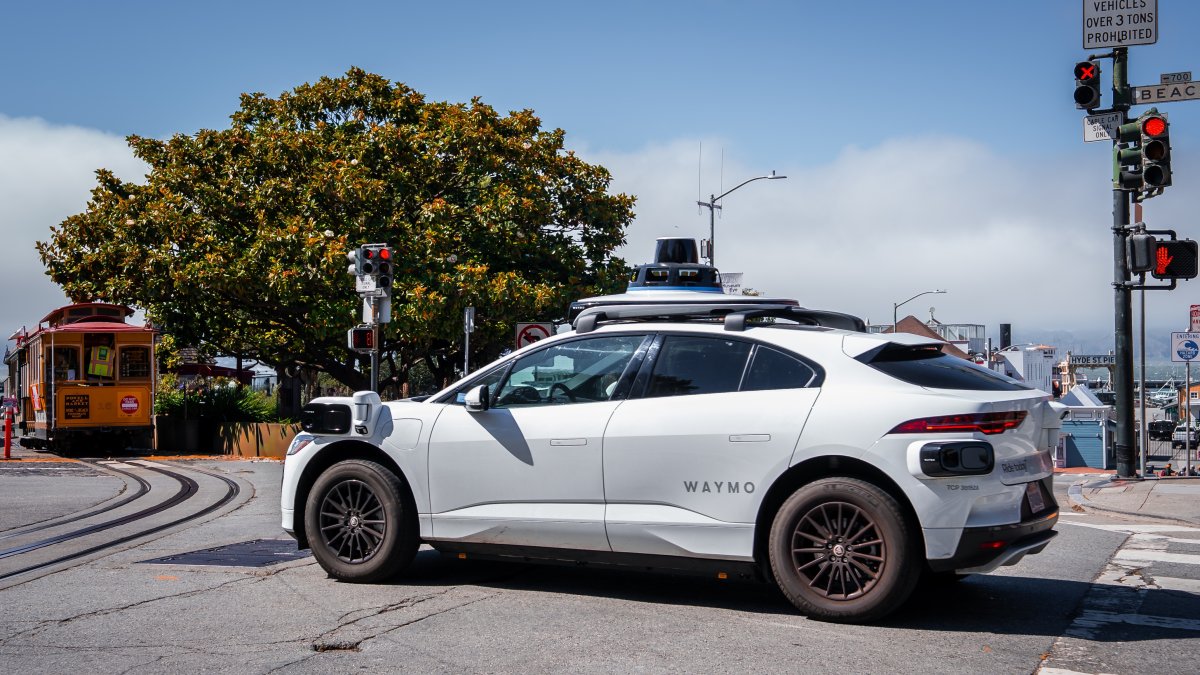
The future of urban transportation took another significant leap forward this week as Waymo, the autonomous driving technology company, began offering robotaxi service to select riders in four new U.S. Cities: Dallas, Houston, San Antonio, and Orlando. This expansion marks a pivotal moment, not only for Waymo but for the broader adoption of self-driving technology, bringing fully autonomous ride-hailing to a total of ten metropolitan areas across the country. The move underscores Waymo’s ambition to reshape transportation and its commitment to scaling operations in key markets, even as competitors like Tesla and Amazon’s Zoox continue to navigate the complexities of autonomous vehicle deployment.
The rollout, announced on Tuesday, February 24, 2026, is being phased in to ensure a seamless experience as Waymo expands its operations. Initially, access will be limited to riders who have downloaded the Waymo app and received an invitation. This controlled launch allows the company to gather data, refine its technology, and address any unforeseen challenges before opening the service to the general public later this year. Waymo’s strategy reflects a cautious yet determined approach, prioritizing safety and reliability as it integrates its technology into the fabric of everyday life in these diverse urban environments. The company is aiming to serve over one million rides per week by the finish of 2026, a target that these new expansions are designed to help achieve.
Expanding the Autonomous Footprint
Waymo’s expansion into Texas and Florida represents a strategic deepening of its presence in the Sun Belt, regions known for their rapid population growth and evolving transportation needs. The company already operates in Phoenix, the San Francisco Bay Area, Los Angeles, Miami, and Austin, Texas, offering a glimpse into the potential of fully autonomous ride-hailing. Unlike some competitors still in the testing phase, Waymo is actively transporting passengers at scale, providing over 400,000 weekly trips across its existing service areas. This established track record provides a foundation of experience and data that informs its expansion strategy. The company’s technology is designed to handle a variety of conditions, from intense sunlight to heavy rainfall and even freezing temperatures, demonstrating its adaptability to diverse climates.
The choice of these four cities is no accident. Dallas, Houston, and San Antonio represent major metropolitan hubs in Texas, each with unique transportation challenges and opportunities. Orlando, a major tourist destination, presents a different set of demands, requiring Waymo’s technology to navigate crowded streets and accommodate a high volume of visitors. Waymo’s co-CEO, Tekedra Mawakana, emphasized the company’s eagerness to provide a “safe, reliable, and magical way for locals and visitors to travel” in these communities. This focus on user experience is central to Waymo’s strategy, aiming to build trust and encourage widespread adoption of its technology. The company is too actively engaging with local communities to address concerns and foster a positive relationship with residents.
Navigating a Competitive Landscape
Waymo’s rapid expansion comes as other companies are vying for a foothold in the autonomous vehicle market. Tesla, despite ambitious promises, is still primarily focused on developing its “Full Self-Driving” software, which currently requires active driver supervision. Amazon’s Zoox is also testing its purpose-built robotaxi in limited areas, but faces significant hurdles in scaling its operations. Waymo’s current lead in commercial deployments gives it a significant advantage, allowing it to gather real-world data and refine its technology at a faster pace. However, the competition is intensifying, with startups like Waabi and Nuro also entering the fray. Established players in Asia, such as Apollo Go (owned by Baidu) and WeRide, are gaining market share overseas, signaling a global race to dominate the autonomous vehicle landscape.
The financial backing for Waymo’s ambitious expansion is substantial. Recent reports indicate the company secured $16 billion in funding, valuing it at $126 billion. This valuation has fueled speculation about a potential spin-off from its parent company, Alphabet, where Waymo originated as a secret project within Google in 2009. Such a move could provide Waymo with greater financial independence and allow it to pursue its growth strategy more aggressively. The company is also eyeing further expansion within the U.S., targeting cities like Las Vegas, Washington D.C., Detroit, and Boston, and is exploring potential overseas opportunities, with London as a likely first international destination.
Operational Details and Future Outlook
Currently, Waymo operates its ride-hailing service directly through its own app in most cities, offering a seamless experience for users. However, in Atlanta and Austin, the service is integrated with Uber’s platform, allowing riders to summon Waymo vehicles through the familiar Uber app. This partnership demonstrates Waymo’s willingness to collaborate with existing transportation providers to accelerate the adoption of its technology. The initial rollout in Dallas, Houston, San Antonio, and Orlando will follow a similar pattern, with access initially limited to invited users before becoming available to the general public. This phased approach allows Waymo to monitor performance, gather feedback, and make necessary adjustments before scaling up operations.
The expansion into these four cities is not merely about adding new locations to Waymo’s map; it’s about demonstrating the scalability and adaptability of its technology. Each city presents unique challenges, from traffic patterns to weather conditions, and Waymo’s ability to navigate these complexities is crucial to its long-term success. The company’s generalizable technology, honed through years of testing and real-world deployments, is designed to handle these variations, ensuring a safe and reliable experience for passengers. As Waymo continues to expand its footprint, it will undoubtedly encounter new challenges, but its commitment to safety, innovation, and community engagement positions it as a leader in the rapidly evolving world of autonomous transportation.
The success of Waymo’s expansion will likely hinge on its ability to address public concerns about the safety and reliability of self-driving technology. A 2025 survey by the American Automobile Association revealed that six in ten U.S. Drivers expressed fear of driverless cars. Building trust will require transparency, education, and a consistent track record of safe operation. Waymo’s phased rollout, coupled with its ongoing engagement with local communities, is a step in the right direction. As the technology matures and public perception evolves, autonomous vehicles have the potential to revolutionize transportation, making it safer, more efficient, and more accessible for all.
Looking ahead, Waymo’s next steps will likely involve expanding its service areas within these four new cities, increasing the availability of its vehicles, and continuing to refine its technology. The company will also be closely monitoring the competitive landscape, adapting its strategy as needed to maintain its leadership position. The ultimate goal remains the same: to create a future where transportation is seamless, safe, and accessible to everyone. The coming months will be crucial as Waymo works towards achieving its target of one million weekly paid trips by the end of 2026.
Key Takeaways:
- Waymo has launched its robotaxi service in Dallas, Houston, San Antonio, and Orlando, expanding its reach to 10 U.S. Metropolitan areas.
- The rollout is initially limited to invited users to ensure a smooth and safe expansion.
- Waymo aims to serve over one million rides per week by the end of 2026.
- The company is facing increasing competition from Tesla, Amazon’s Zoox, and other players in the autonomous vehicle market.
What are your thoughts on the expansion of autonomous vehicle technology? Share your comments below, and be sure to share this article with your network.
Related reading
- Ex-Fundación San José Official Sentenced to 3 Years for Fake Degrees Case
- Tony Burke Confirms Ex-ASIO Agent’s Testimony Can Be Heard in Public
- Remote Bilingual Healthcare Customer Service Representative Job in Houston TX | TEKsystems (news-usa.today)
- Microsoft Expands PowerShell Tools for Windows Enterprise Backup and Management (world-today-news.com)