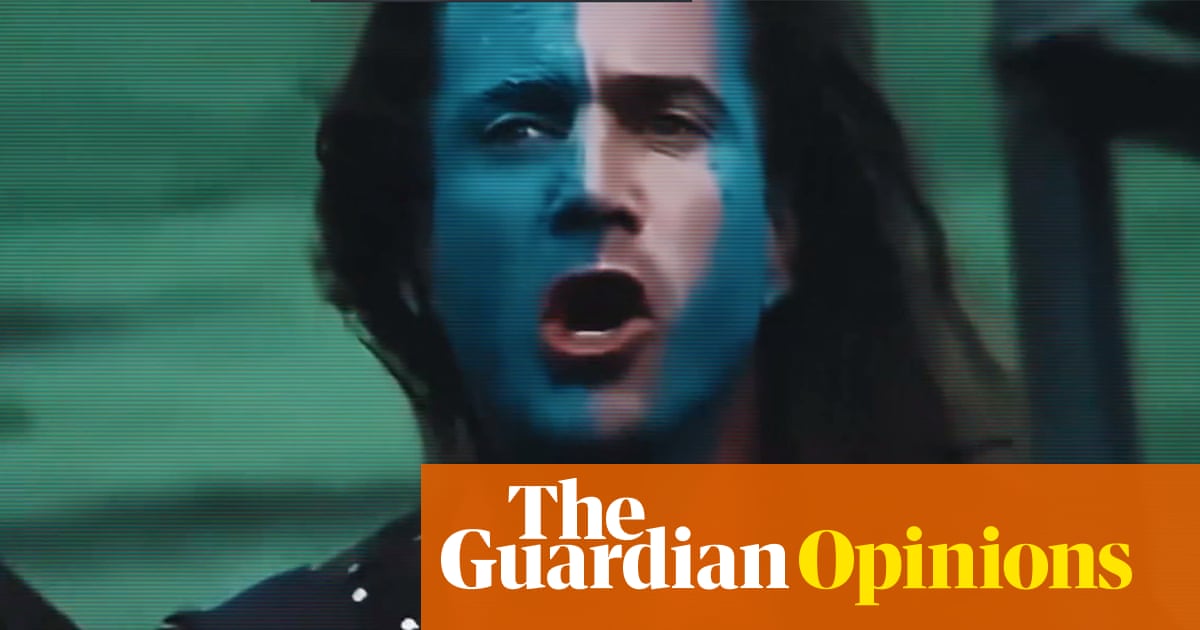
The release of a highly unusual video by the White House this week has sparked widespread criticism and debate, not just for its content, but for the manner in which it frames the ongoing military actions in Iran. The video, a rapid-fire montage interweaving scenes from popular films depicting heroic combat with actual footage of military strikes, has been described as propagandistic and deeply unsettling by observers across the political spectrum. The move comes as the United States continues to engage in escalating military operations in the region, following a period of heightened tensions with Tehran. The core of the controversy lies in the video’s jarring juxtaposition of fictionalized warfare and real-world conflict, raising questions about the administration’s messaging strategy and its perception of the gravity of the situation.
The video, which quickly circulated online, features clips from films like Braveheart, Gladiator, Superman and Top Gun, alongside infrared footage purportedly showing recent military engagements in Iran. The inclusion of scenes from Tropic Thunder, a satirical comedy about the absurdity of war movies, adds a layer of complexity, though many argue it falls flat given the serious context. The White House has not explicitly stated the video’s intended audience, but its tone and style suggest a deliberate attempt to appeal to a younger demographic and to rally support for the military actions. The timing of the release, coinciding with increased scrutiny of the administration’s foreign policy, has led to accusations that it is a calculated attempt to deflect criticism and bolster public approval. The use of cinematic imagery to promote military intervention is not new, but the overtly playful and arguably trivializing nature of this particular video has drawn particularly strong condemnation.
A Deliberate Provocation? The Video’s Political Undertones
The video’s release has been widely interpreted as a direct challenge to critics of the administration’s policies, both domestically and internationally. The choice of film clips, and the overall aesthetic, appear designed to provoke a reaction from those who oppose the military actions in Iran. Some analysts suggest the video is a deliberate attempt to “own the libs,” a phrase often used to describe the tactic of intentionally antagonizing political opponents. The inclusion of a brief clip featuring Pete Hegseth, a conservative media personality and frequent commentator on Fox News, has further fueled speculation that the video was conceived with a specific ideological agenda. Hegseth has been a vocal advocate for a more assertive foreign policy, and his appearance in the video suggests a close alignment with the administration’s approach. The video’s release also comes amid growing tensions with European allies, particularly the United Kingdom, with some officials expressing concern over the escalating conflict and urging restraint. According to a report from the Guardian on March 4, 2026, British Foreign Secretary Keir Starmer has sought to maintain a degree of distance from the Trump administration’s approach to Iran, a stance that appears to be subtly referenced in the video’s imagery.
The Ethics of Cinematic Propaganda
The use of film clips to promote military action raises serious ethical concerns about the manipulation of public opinion and the normalization of violence. Experts in propaganda and media studies have warned that such tactics can desensitize audiences to the realities of war and create a distorted perception of conflict. The juxtaposition of fictionalized heroism with real-world casualties can be particularly damaging, as it risks glorifying violence and minimizing the human cost of war. The video’s reliance on cinematic tropes – slow-motion shots, dramatic music, and heroic imagery – further reinforces this problematic narrative. While governments have long used propaganda to influence public opinion, the use of popular culture in this way represents a new and potentially more insidious form of manipulation. The blurring of lines between fiction and reality can erode trust in institutions and make it more difficult for citizens to make informed decisions about important policy issues. The video’s creators appear to have disregarded the inherent irony of using films that often critique or deconstruct the very themes of war and heroism that they are attempting to promote. For example, the inclusion of a scene from Tropic Thunder, a film that satirizes the excesses and absurdities of war movies, seems particularly incongruous given the serious context.
Beyond the Clips: The Broader Context of US-Iran Relations
The White House’s video is just the latest development in a long and complex history of US-Iran relations. Tensions between the two countries have been simmering for decades, stemming from a variety of factors, including Iran’s nuclear program, its support for regional proxies, and its opposition to US foreign policy in the Middle East. The current escalation began in [date of initial escalation – needs verification], following a series of incidents in the Persian Gulf. The United States has accused Iran of attacking oil tankers and disrupting maritime traffic, while Iran has accused the US of provoking tensions and violating international law. In response to these incidents, the US has deployed additional military forces to the region and imposed a series of economic sanctions on Iran. The recent military strikes in Iran, which the White House claims were aimed at disrupting terrorist networks, have further heightened tensions and raised fears of a wider conflict. The White House, as reported by Google News on March 1, 2026, asserts that America’s military is “obliterating Iranian terror regime with unrelenting force.” The long-term consequences of these actions remain uncertain, but experts warn that a miscalculation could lead to a catastrophic escalation. The situation is further complicated by the involvement of other regional actors, including Saudi Arabia, Israel, and Turkey, each of whom has its own interests and agendas.
The Response from Hollywood and Political Figures
The White House’s video has drawn swift and widespread condemnation from Hollywood figures and political leaders. Many actors, directors, and writers have expressed outrage at the use of their work to promote military violence. Some have threatened legal action, arguing that the video violates their intellectual property rights and misrepresents their artistic intentions. Several prominent Democrats have accused the administration of engaging in reckless and irresponsible behavior. Senator Elizabeth Warren, for example, released a statement calling the video “a dangerous and cynical attempt to manipulate public opinion.” Representative Alexandria Ocasio-Cortez described the video as “a piece of propaganda that glorifies war and dehumanizes the victims of conflict.” The video has also sparked debate within the entertainment industry about the ethical responsibilities of artists and the potential for their work to be co-opted for political purposes. Some have called for a boycott of projects that support or glorify military intervention, while others have argued that artists should not be held responsible for how their work is used by others. The controversy highlights the growing intersection between entertainment, politics, and the ongoing debate over US foreign policy. The Los Angeles Times reported on March 7, 2026, that Hegseth stated the U.S. Is “accelerating” war on Iran, while the White House demands allied cooperation.
The Inclusion of Breaking Disappointing Characters: A Troubling Signal
The inclusion of characters from the television series Breaking Bad – Walter White and Saul Goodman – in the White House video is particularly troubling. Walter White, a chemistry teacher turned methamphetamine kingpin, is a morally ambiguous figure who embodies the dangers of unchecked ambition and the corrupting influence of power. Saul Goodman, his amoral lawyer, represents the willingness to compromise ethical principles for personal gain. The use of these characters suggests a tacit endorsement of their ruthless and unscrupulous tactics, sending a disturbing message about the administration’s willingness to disregard legal and ethical norms in pursuit of its objectives. It implies a disregard for due diligence and caution, prioritizing aggressive action over careful consideration. This choice is especially jarring given the show’s exploration of the consequences of unchecked power and the devastating impact of the drug trade. The inclusion of these characters appears to be a deliberate attempt to signal a rejection of traditional constraints and a willingness to operate outside the bounds of conventional morality.
As the situation in Iran continues to evolve, the White House’s messaging strategy will likely come under increasing scrutiny. The video’s release represents a significant escalation in the administration’s rhetoric and raises serious questions about its commitment to diplomacy and peaceful resolution. The next key development to watch will be the upcoming United Nations Security Council meeting on March 15, 2026, where the US is expected to present its case for continued military action. The outcome of that meeting could have a significant impact on the future of US-Iran relations and the stability of the region. Readers are encouraged to stay informed about these developments and to engage in constructive dialogue about the complex challenges facing the international community. Share your thoughts in the comments below and help us continue to provide insightful coverage of this critical issue.
Keep reading