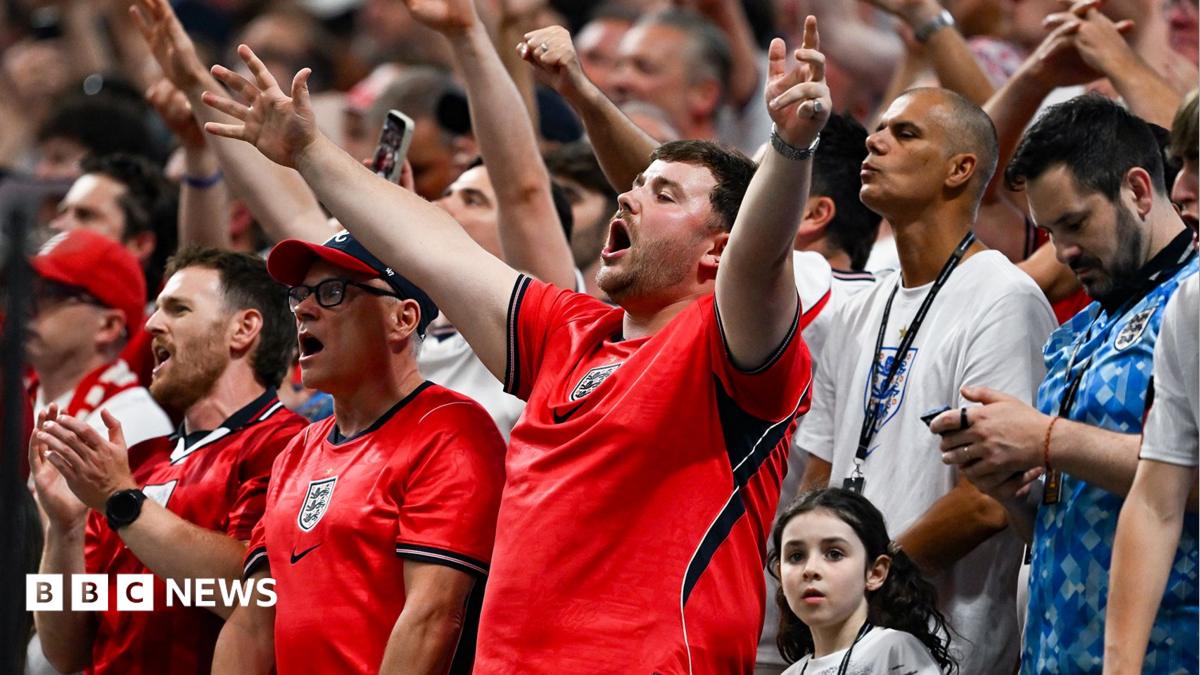
“Wonderwall” by Oasis has emerged as a spontaneous anthem for the England national football team and its supporters during the 2024 European Championship, according to social media footage and fan reports showing players and crowds singing the 1995 hit together following matches.
The trend developed during the knockout stages of the tournament in Germany, where the song shifted from a terrace favorite to a shared experience between the squad and the traveling fanbase. While “Three Lions” remains the official tournament staple, “Wonderwall” has become a symbol of the specific emotional arc of the Euro 2024 campaign, coinciding with a high-profile announcement regarding the reunion of the band Oasis.
The phenomenon gained momentum as England progressed toward the final, with videos circulating on platforms such as TikTok and X showing thousands of fans in fan zones and stadiums leading the singalong. The song’s simplicity and wide recognition among different generations of supporters contributed to its rapid adoption as a victory ritual.
Football analysts and cultural commentators note that the adoption of “Wonderwall” reflects a broader trend of “Britpop nostalgia” returning to the forefront of English sporting culture. The track, released on the album (What’s the Story) Morning Glory?, has maintained a presence in UK pubs and stadiums for nearly three decades, but its specific association with the 2024 squad suggests a new layer of cultural bonding between the athletes and the public.
How Wonderwall Became a Fan Favorite
The rise of “Wonderwall” as a tournament anthem was not a coordinated marketing effort but an organic development among the supporters. According to reports from fans attending matches in Germany, the song began appearing in the crowds during the group stages and intensified after England’s progression to the quarter-finals.
The song’s structure, featuring a repetitive and melodic chorus, makes it suitable for large-scale group singing. Unlike complex chants, “Wonderwall” allows for a slower, more anthemic pace that fits the mood of post-match celebrations. This organic growth is a hallmark of English football culture, where fans often adopt popular songs and adapt them to the rhythm of the match or the mood of the tournament.
The trend was further amplified by the digital nature of modern fandom. Short-form videos of the singalongs went viral, encouraging fans in other cities and those watching from the UK to adopt the song. This created a feedback loop where the players, aware of the fans’ enthusiasm, began to participate in the singalongs during post-match interactions.
The Role of England Players in the Trend
The transition of “Wonderwall” from a fan chant to a team anthem occurred when members of the England squad began joining in. Footage from the tournament showed players including Jude Bellingham and Declan Rice participating in the singing, which validated the song as a bridge between the professional athletes and the supporters.
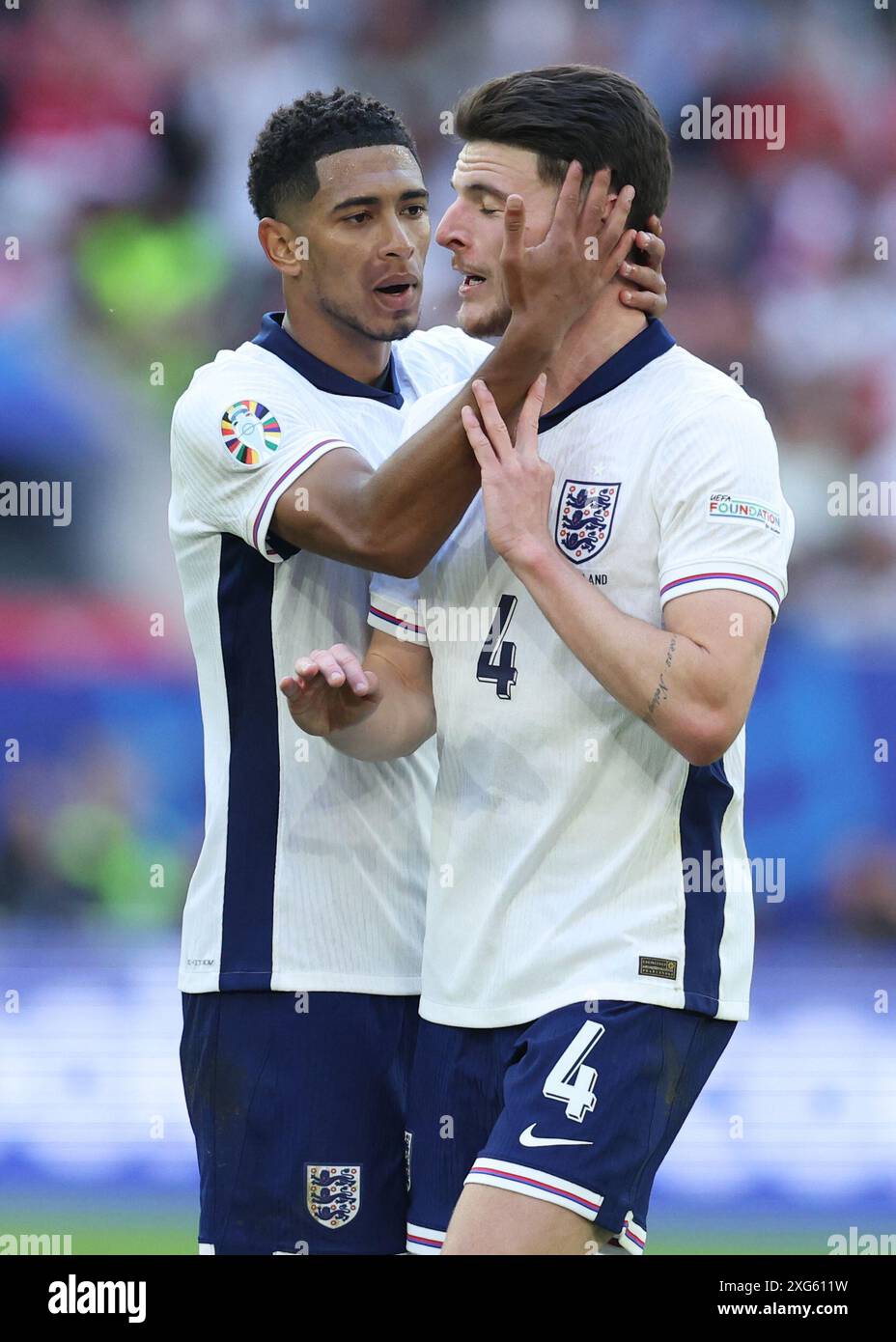
This interaction is viewed by sports psychologists as a method of humanizing the players. By singing a well-known pop song rather than a formal team hymn, the players align themselves with the cultural identity of the fans. The shared experience of singing a song that transcends football helps build a sense of unity during the high-pressure environment of a major tournament.
The players’ involvement turned the song into a reward mechanism. After a victory or a hard-fought draw, the singalong serves as a decompression exercise for both the squad and the fans. This ritual has become a new tradition this summer, marking a shift away from the more rigid, pre-planned celebrations of previous tournaments.
The Oasis Reunion and Timing
The cultural impact of “Wonderwall” was significantly boosted by the timing of the Oasis reunion announcement. On August 27, 2024, Noel and Liam Gallagher officially announced their return for a series of concerts in 2025, as confirmed by the official Oasis website. This announcement occurred shortly after the conclusion of Euro 2024, creating a convergence of sporting and musical euphoria.
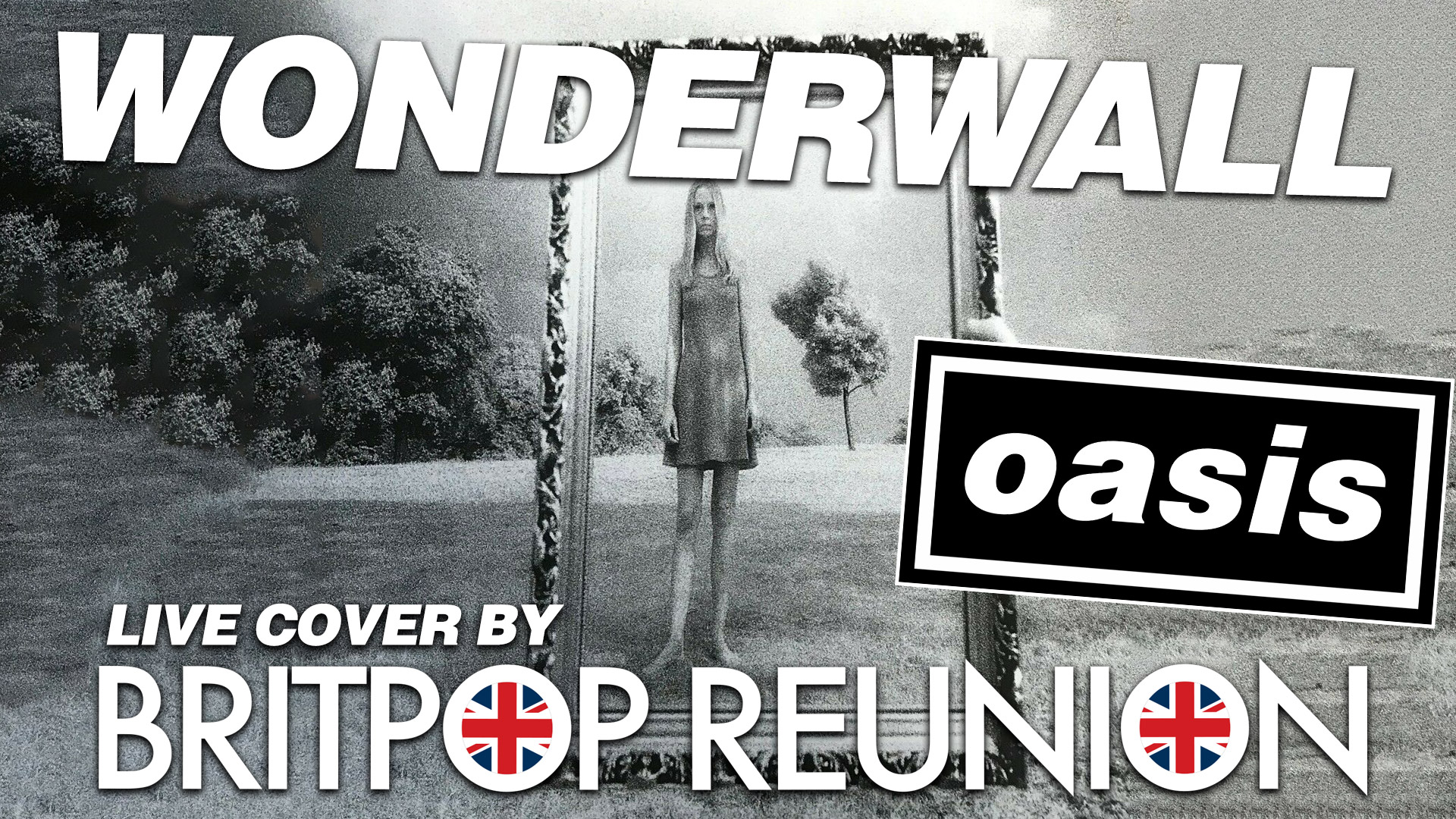
The anticipation of the reunion had already begun to permeate the public consciousness during the summer. As the England team moved through the tournament, the latent desire for an Oasis comeback mirrored the hope for a trophy win. The “Wonderwall” singalongs effectively served as a precursor to the reunion fever that gripped the UK in late August.
Music industry data suggests that the visibility of the song during the tournament contributed to a resurgence in Oasis streaming numbers. When a song is tied to a positive emotional event—such as a national team’s success—it often sees a spike in popularity. The synergy between the England team’s performance and the band’s return solidified “Wonderwall” as the definitive soundtrack of the summer.
The Connection Between Britpop and Football Culture
The adoption of “Wonderwall” is not an isolated incident but part of a long-standing relationship between Britpop and English football. The mid-1990s saw a cultural intersection where the “Cool Britannia” movement, led by bands like Oasis and Blur, overlapped with the emergence of the Premier League and a new era of football fandom.
Britpop music often emphasized working-class identity, confidence, and a sense of national pride, themes that resonate strongly with football terrace culture. Oasis, in particular, embodied a “swagger” that fans often associate with the ideal image of an England team: confident, bold, and unapologetically English.
Historically, English fans have used music to define their identity during tournaments. The 1996 European Championship, hosted by England, was the peak of this era, coinciding with the release of the original “Three Lions.” While “Three Lions” was a specific commentary on England’s struggle to win, “Wonderwall” represents a more general sense of longing and collective hope, making it a versatile tool for fans to express their emotions regardless of the match result.
Comparison: Wonderwall vs. Three Lions
While both songs are staples of the England experience, they serve different functions. “Three Lions,” released in 1996, was designed as a football song. It explicitly references the history of the national team and the agony of waiting for a victory. Because it was created for the sport, it remains the “official” anthem of the fans.
In contrast, “Wonderwall” is a pop song that was adopted by the fans. This distinction is important because organic adoption often carries more emotional weight than a song designed for the purpose. “Three Lions” is a song about football; “Wonderwall” is a song about a feeling. The latter allows fans to project their own emotions onto the lyrics, whether that is the joy of a win or the heartbreak of a loss.
The coexistence of these two songs shows a diversification of the England “soundtrack.” The fans are no longer relying on a single anthem but are building a playlist that reflects different moods. “Three Lions” is for the pre-match buildup and the official celebration, while “Wonderwall” is for the intimate, shared moments between the players and the crowd.
Impact on Global Perception of England Fandom
The global audience watching Euro 2024 saw a different side of England’s supporter culture through these singalongs. Rather than the aggressive imagery sometimes associated with football crowds, the “Wonderwall” phenomenon presented a more melodic and communal image of the fans.
International media outlets noted the sheer volume and unity of the singalongs, highlighting how music acts as a universal language in sports. The image of thousands of people singing a 30-year-old pop song in unison creates a powerful visual and auditory experience that translates well across borders, enhancing the “brand” of the England supporter as passionate and culturally rooted.
This cultural export also benefits the music industry. The global reach of the European Championship introduces Britpop classics to younger audiences and international listeners who may not have been familiar with Oasis. The tournament effectively acted as a massive, free promotional event for the band’s upcoming tour.
The trend also highlights the role of the “modern fan.” Today’s supporters are not just spectators; they are content creators. By filming and sharing these singalongs, they are actively shaping the narrative of the tournament, turning a simple song into a global talking point.
What Happens Next for the England Anthem
As the England team prepares for future qualifiers and the next major tournament, the legacy of the “Wonderwall” summer is likely to persist. While new songs may emerge, the precedent of players joining in with fan-led pop singalongs has been set.
The upcoming Oasis reunion tour in 2025 will likely further cement this connection. It is expected that the band’s return to the stage will trigger another wave of nostalgia, potentially leading to more Britpop songs being adopted by the national team. The synergy between the country’s biggest musical act and its most popular sports team creates a cultural loop that is difficult to break.
The next official checkpoint for the England national team will be their upcoming fixtures in the Nations League, where fans will be watched to see if the “Wonderwall” tradition continues or if a new song takes its place. The team’s ability to maintain this bond with the fans through music may become a strategic part of how they manage morale and public support.
Share your thoughts on the new tradition in the comments below. Do you think “Wonderwall” should replace “Three Lions” as the primary anthem, or should it remain a spontaneous victory song?