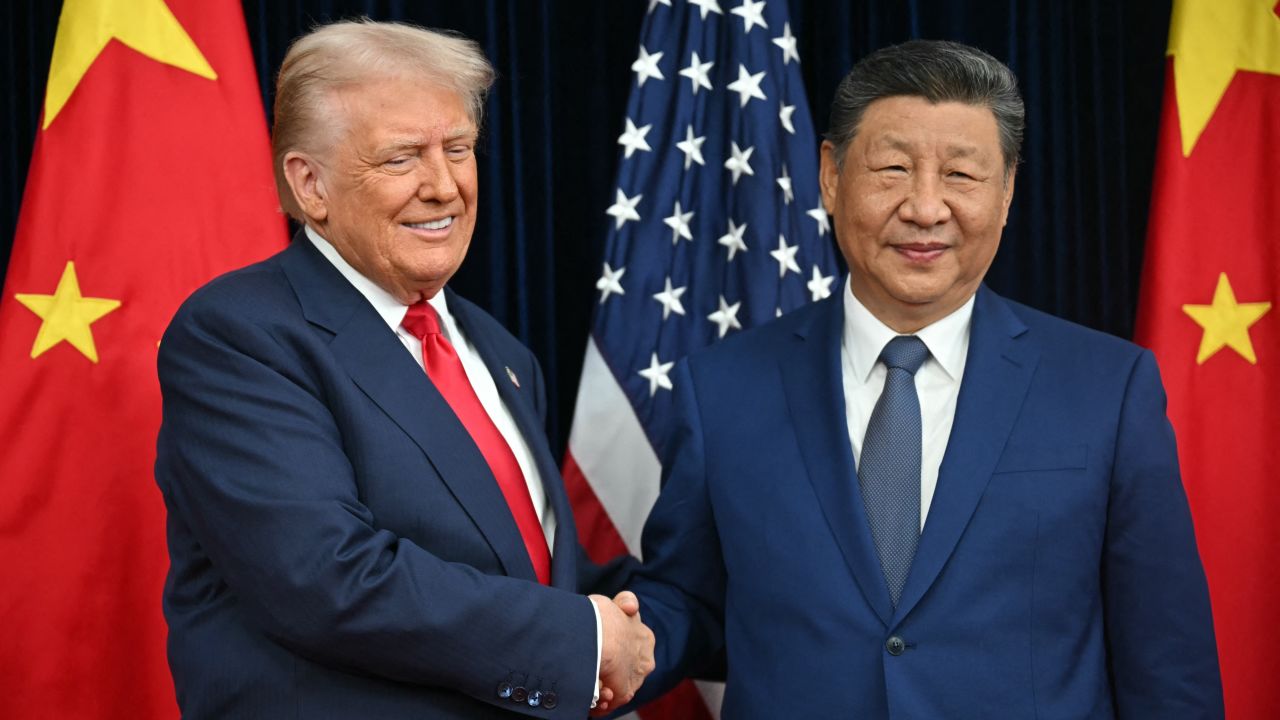
President Donald Trump is departing Tuesday for a high-stakes summit in Beijing with Chinese leader Xi Jinping, marking a critical juncture in the effort to stabilize the economic relationship between the world’s two largest economies. The meeting comes as the U.S. Administration seeks to balance aggressive trade postures with a desire for financial predictability and continued market access.
The Xi-Trump Beijing summit arrives amid a complex landscape of diplomatic friction and economic interdependence. While tensions remain high over emerging technologies and critical mineral supply chains, President Trump has signaled a pragmatic approach, claiming that the United States has increasingly profited from its trade dealings with China.
“We’re doing a lot of business with China and making a lot of money,” Trump stated last week, emphasizing a shift in the dynamic of the bilateral relationship. “We’re making a lot of money — it’s different than it used to be.”
The primary objective of the summit is to maintain economic stability, with officials suggesting that the meeting may result in modest policy announcements rather than sweeping structural overhauls. This approach reflects a broader strategy of creating “space for continued engagement” to build domestic resilience while keeping channels open for future negotiations.
Trade Truces and Agricultural Deliverables
A central point of discussion in Beijing will be the fate of a trade truce reached in October 2025. U.S. Officials indicate that this truce is likely to be extended, providing a temporary reprieve from escalating tariffs that have characterized the trade relationship for years.

To demonstrate commitment to the relationship, China is expected to announce plans to increase its purchase of American exports. Key sectors poised for growth include agriculture—specifically soybeans and beef—as well as the aerospace industry, with potential new orders for Boeing airplanes.
Beyond immediate purchases, the Trump administration has teased the creation of a new “Board of Trade.” This proposed entity would serve as a dedicated mechanism to ensure that both sides maintain a continuous dialogue on economic issues, potentially preventing the kind of sudden escalations that have historically disrupted global markets.
The Friction Points: AI and Rare Earth Minerals
Despite the focus on stability, the summit must navigate deep-seated competitions over the future of global technology. The U.S. And China remain locked in a struggle over emerging technologies, most notably artificial intelligence (AI), which both nations view as essential to future economic and national security.
Adding to the complexity are tensions surrounding rare earth minerals. These materials are critical for the production of everything from smartphones to advanced weaponry, and the U.S. Has expressed concerns over its reliance on Chinese supplies. The ability of both leaders to manage these “rupture points” without triggering a full-scale trade war will be a primary measure of the summit’s success.
According to Brett Fetterly, a managing principal at the consultancy The Asia Group who focuses on China, the immediate deliverables may be less important than the overarching atmosphere of the meeting. Fetterly noted that some in the administration believe “the outcome that matters more than any set of deliverables is stability and space for continued engagement, both to build domestic resilience and to facilitate future deal-making.”
A Pattern of Engagement
This Beijing summit is not an isolated event but part of a broader diplomatic cadence. It could potentially be the first of four scheduled meetings between President Trump and President Xi this year, suggesting a preference for frequent, face-to-face diplomacy to manage the volatile relationship.
The two leaders previously met on October 30, 2025, at Gimhae International Airport in Busan, South Korea. That encounter set the stage for the current trajectory, moving away from purely confrontational rhetoric toward a framework of managed competition.
For global markets, the emphasis on stability is a welcome signal. The interdependence of the U.S. And Chinese economies means that volatility in Beijing often translates to instability in global supply chains and stock indices. By prioritizing a “trade truce” and steady communication, the two leaders are attempting to insulate the global economy from the geopolitical frictions of the “tech war.”
Key Economic Focus Areas
| Category | Primary Objective | Expected Outcome |
|---|---|---|
| Trade Status | Stability and Predictability | Extension of the October trade truce |
| U.S. Exports | Increasing American Sales | Chinese purchases of soybeans, beef, and Boeing aircraft |
| Communication | Reducing Miscalculation | Proposed creation of a “Board of Trade” |
| Technology | Managing Competition | Dialogue on AI and rare earth mineral tensions |
As the summit progresses, the world will be watching to see if the “stability” touted by the administration can withstand the pressures of systemic competition. While the immediate goal is to avoid rupture, the long-term challenge remains the reconciliation of two competing visions for global technological and economic leadership.
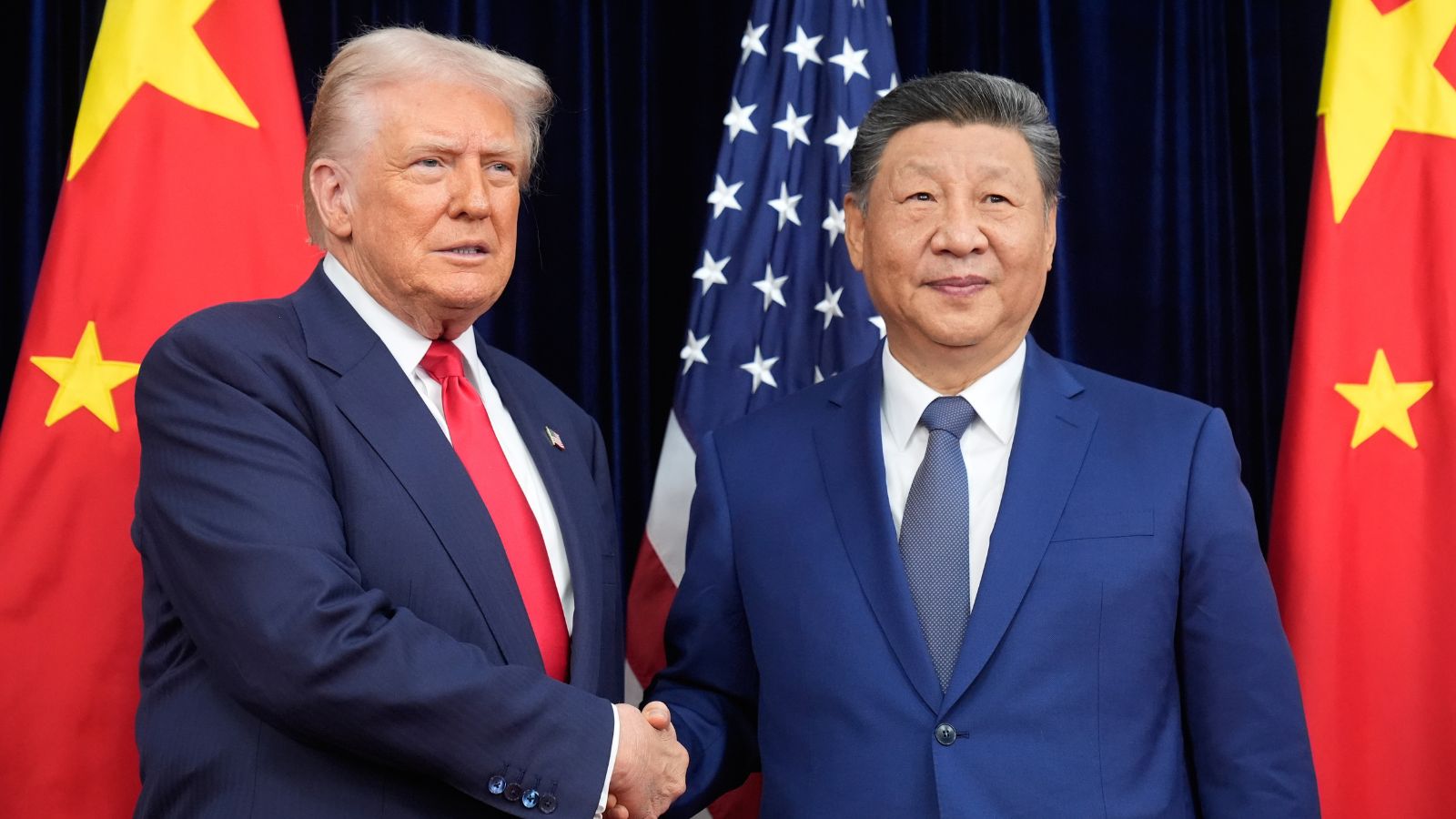
The next confirmed checkpoint for the relationship will be the official readout of the Beijing summit and any subsequent announcements regarding the trade truce extension and the formation of the Board of Trade.
What do you think about the focus on “stability” over structural change in the U.S.-China relationship? Share your thoughts in the comments below.
Related reading